Image
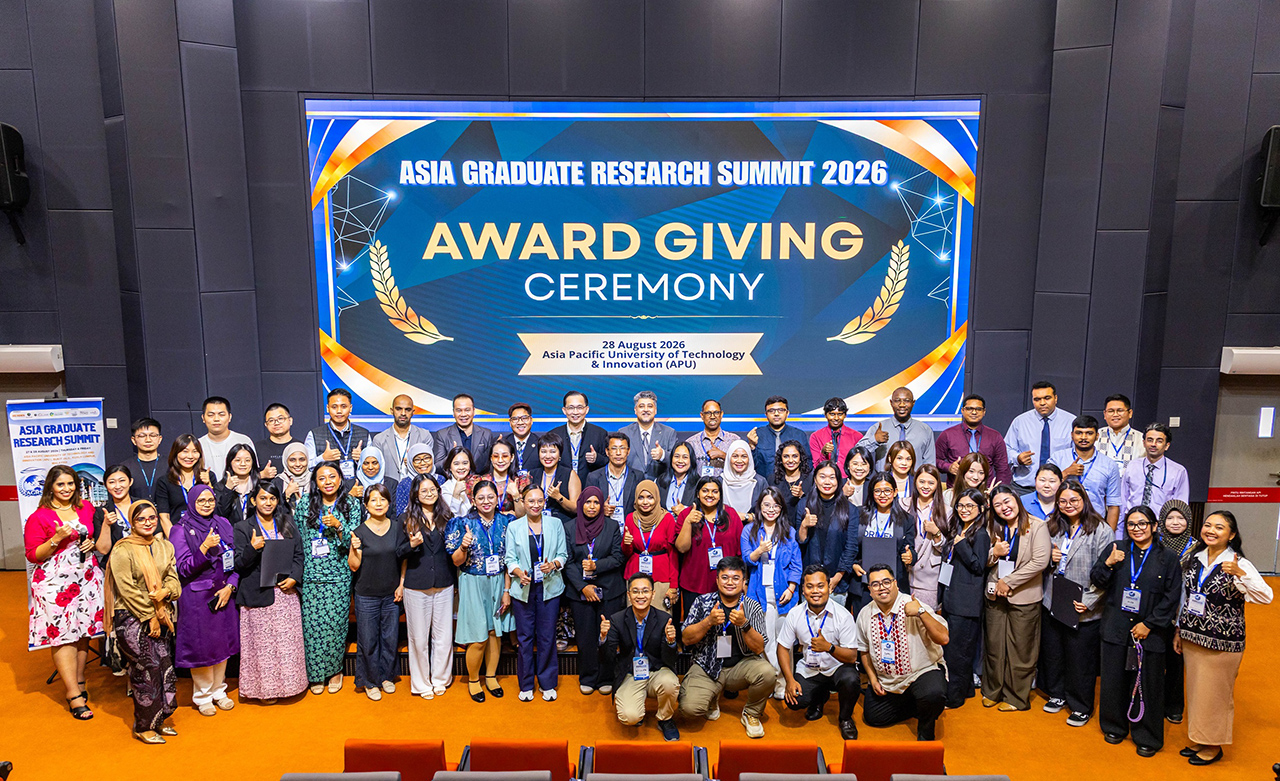
Asia Pacific University of Technology & Innovation (APU) brought together graduate researchers, academics, journal editors and research leaders from across Asia through the Asia Graduate Research Summit (AGRS) 2026, held on 27 and 28 August 2026 as part of APU Research Week.
Organised by APU’s Strategic Research Institute (SRI) under the leadership of its Director, Professor Dr Mohammad Falahat, the two-day Summit was hosted at APU’s campus in Technology Park Malaysia. It attracted 100 participants from 10 Asian countries, representing approximately 30 universities and organisations. Participants came from Malaysia, China, the Philippines, the Maldives, Indonesia, Vietnam, Thailand, Bangladesh, India and Myanmar, underscoring the Summit’s growing regional reach.
Convened by APU in collaboration with Responsible Borneo, Emerald Publishing and the Sarawak Research Society, AGRS 2026 was designed as more than a conventional academic conference. It combined research dialogues, editor-led discussions, postgraduate colloquia, masterclasses, networking and awards, while creating opportunities for graduate and early-career researchers to strengthen their work through direct engagement with experienced academics and publishing professionals.
Building a Stronger Regional Research Community
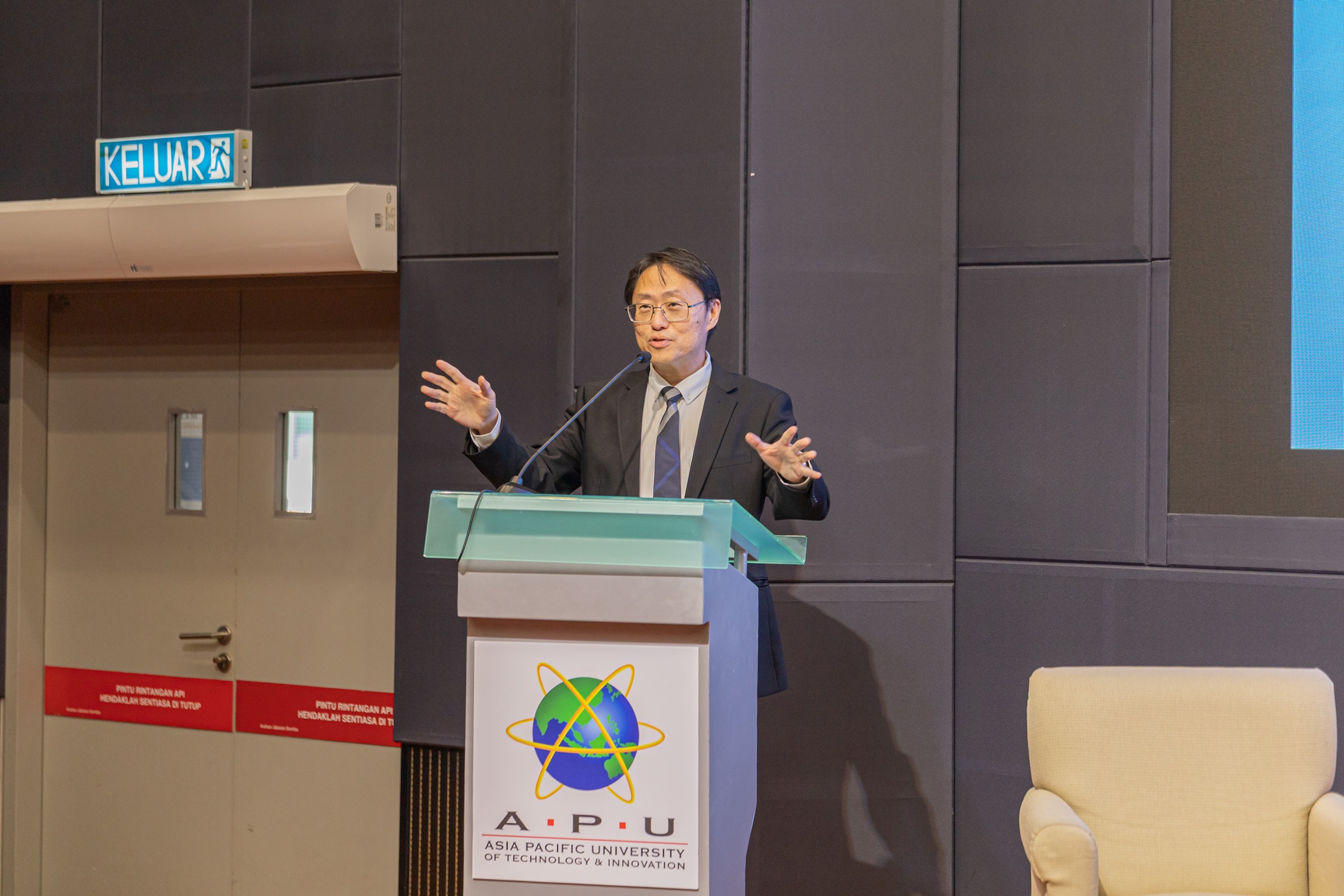
Opening the Summit, APU Vice-Chancellor Professor Dr Ho Chin Kuan highlighted the role of graduate researchers in shaping Asia’s research future through work that is technically rigorous, socially relevant and responsive to emerging technologies.
He also underscored APU’s growing AI research infrastructure and the University’s ambition to provide a platform for world-class AI research in Asia.
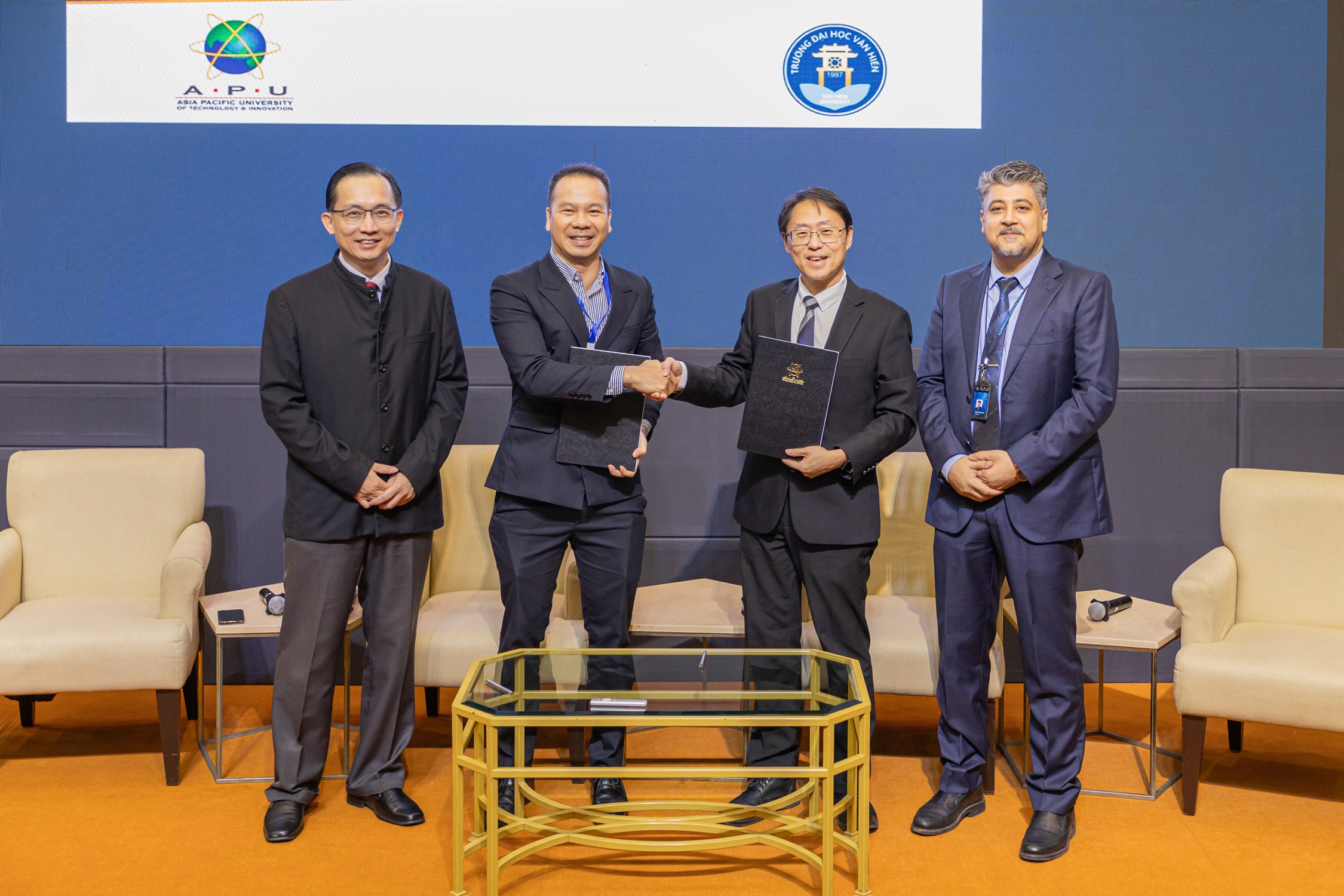
The opening ceremony also marked another step in APU’s regional academic collaboration with the signing of a Memorandum of Understanding between APU and Van Hien University, Vietnam. Represented by Prof Dr Ho and Dr Vuong Le Hong respectively, the partnership reinforced the importance of enabling researchers, ideas and academic projects to move across institutional and national boundaries.
Addressing Research and Publishing in the AI Era
A major focus of AGRS 2026 was the changing research and publication landscape brought about by artificial intelligence.
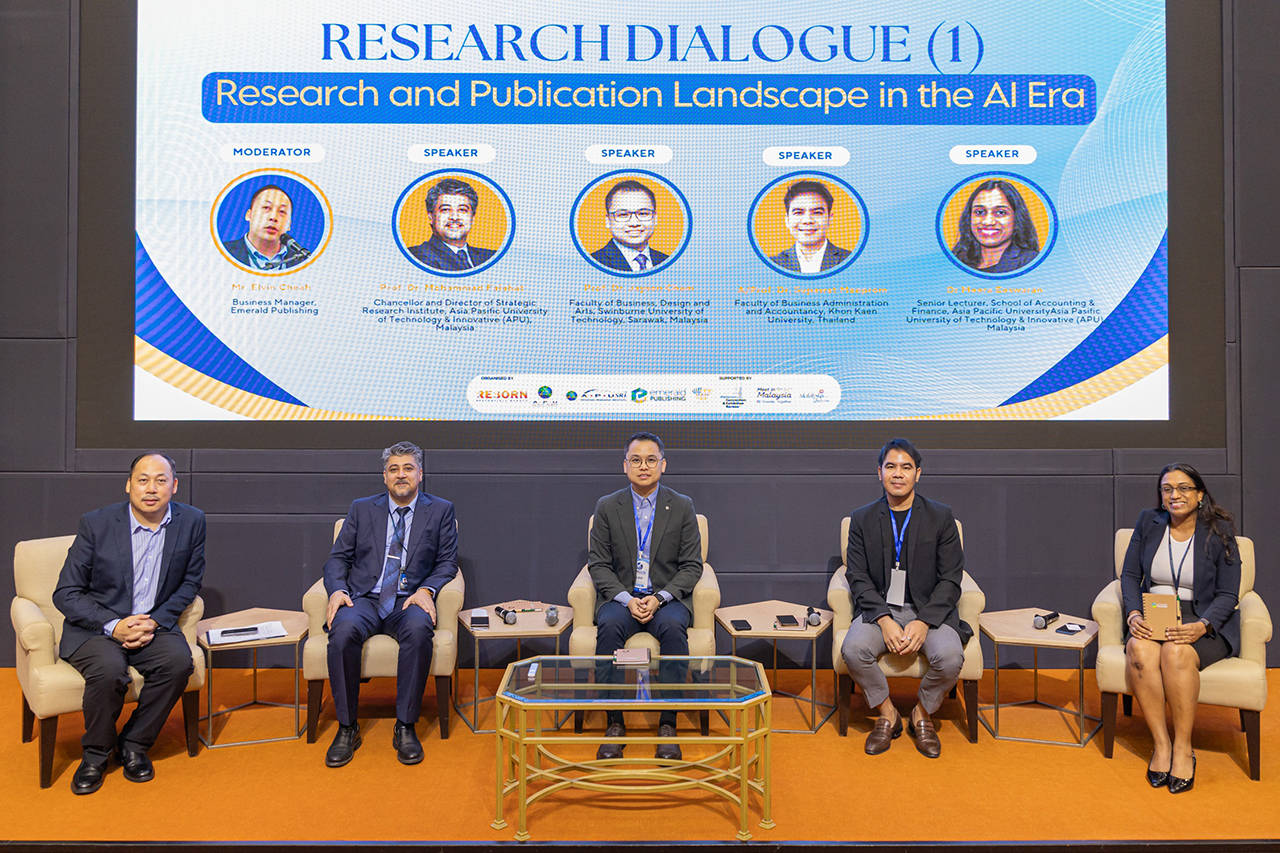
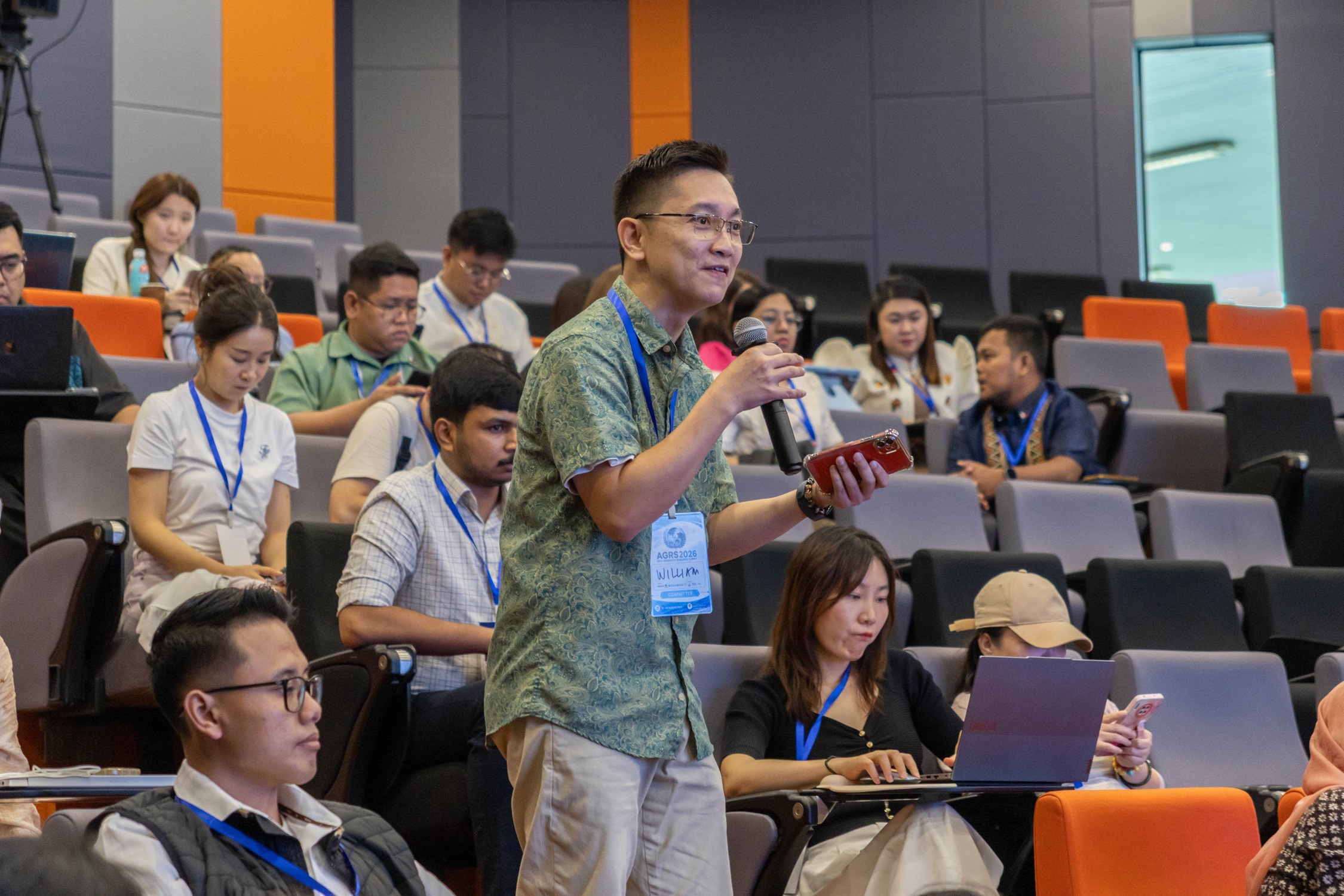
The first Research Dialogue, “Research and Publication Landscape in the AI Era”, brought together academics and publishing experts to examine how AI is influencing research practices, academic writing, originality and scholarly evaluation. The discussion also addressed an increasingly important question for researchers: while AI can accelerate certain parts of the research process, scholars remain accountable for the originality, integrity and evidence behind their work.
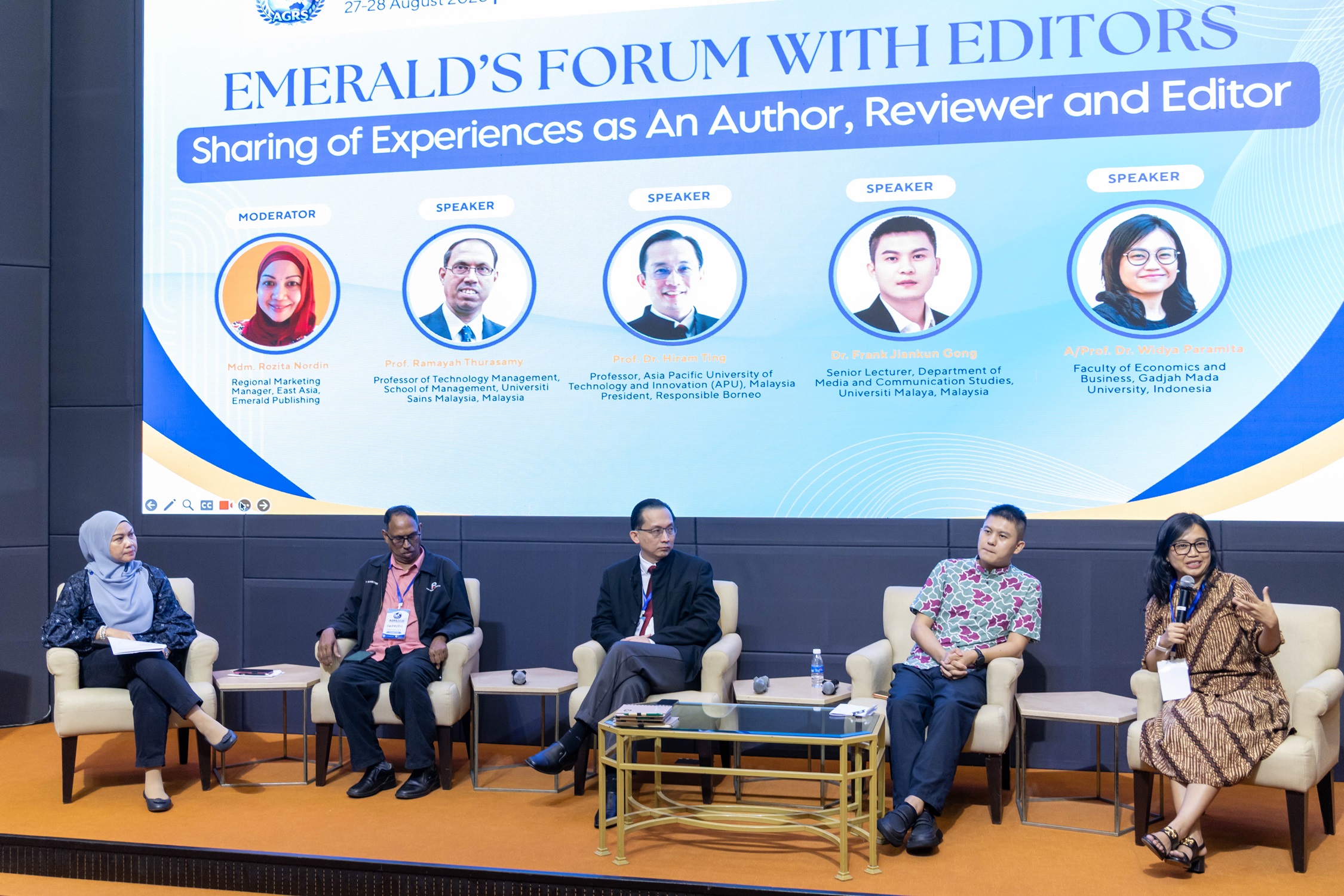
This was followed by Emerald Publishing’s Forum with Editors, which gave participants an inside perspective on academic publishing from the viewpoints of authors, reviewers and editors. Discussions covered areas including journal fit, reviewer expectations, effective academic argumentation and common reasons why otherwise technically competent papers may not progress successfully through the publication process.
Importantly, AGRS 2026 also offered a tangible pathway beyond presentation, with extended articles designated for publication in reputable Scopus- and Web of Science-indexed journals.
Turning Presentation into Research Development
The postgraduate colloquia were central to the Summit’s developmental approach.
Rather than merely presenting completed work, researchers presented extended abstracts to editors and experienced academics, received feedback, responded to questions and identified areas requiring further clarification or refinement.
Across the breakout sessions, participants were able to review the framing of their research problems, methodology and contributions while there was still an opportunity to improve their work. This practical “present, receive feedback, clarify and revise” process distinguished AGRS 2026 from a presentation-driven conference format.
The Summit also created extensive networking opportunities among researchers from different countries, enabling participants to exchange experiences relating to research methods, institutions and academic publishing.
Strengthening Supervision and Academic Writing
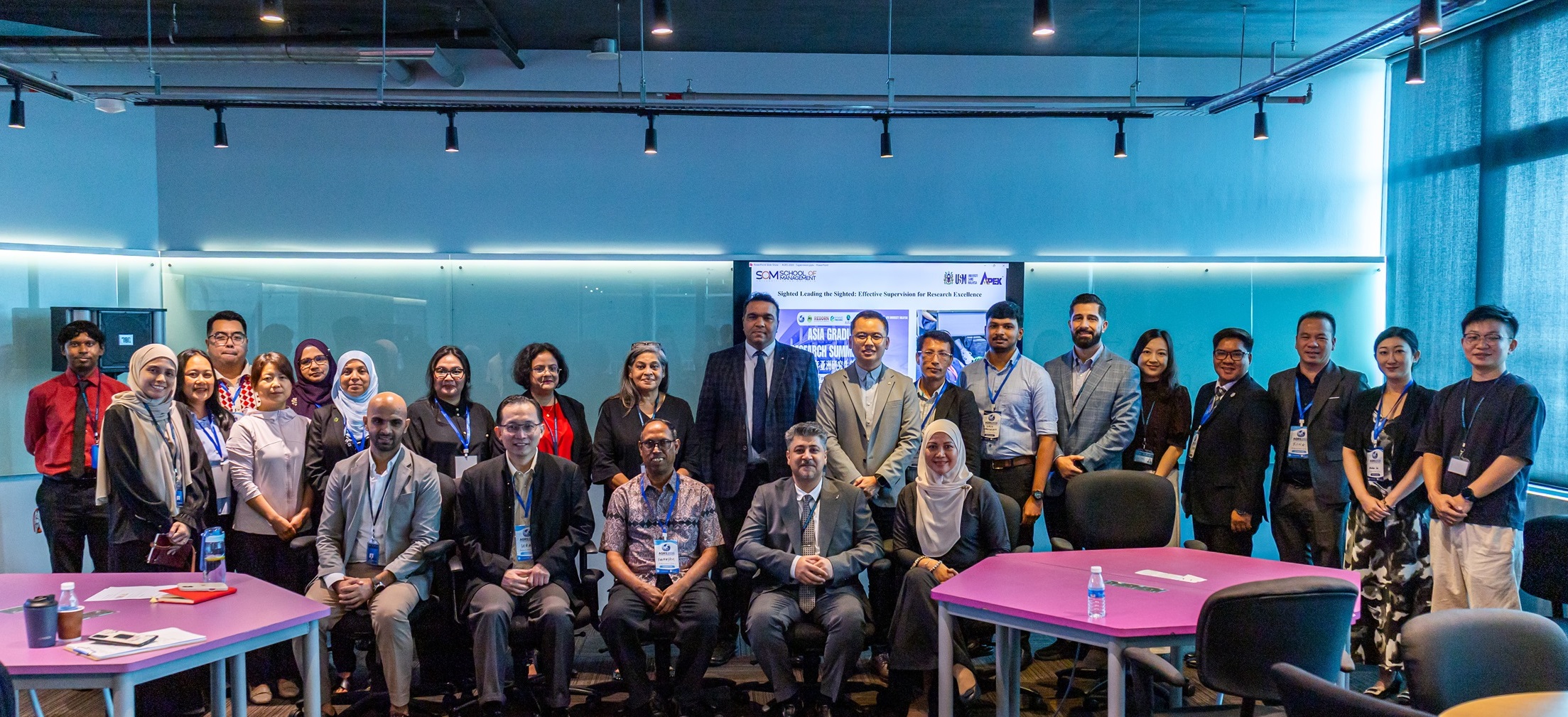
Day Two extended the focus from individual research projects to the broader ecosystem needed to support postgraduate research excellence.
A masterclass on effective research supervision, led by Distinguished Professor Dr Ramayah Thurasamy, explored the relationship between quality supervision and stronger postgraduate outcomes. A parallel academic writing workshop focused on transforming sound research into clear, persuasive and publication-ready scholarly writing.
Together, the sessions emphasised that research quality depends not only on methodology, but also on effective mentorship, communication and scholarly development.
The programme later turned towards emerging research directions through the second dialogue, “What’s New and What’s Next? Call for Emerging Scholars”, bringing together regional academics to discuss the opportunities and expectations facing the next generation of researchers.
Recognising Research Excellence
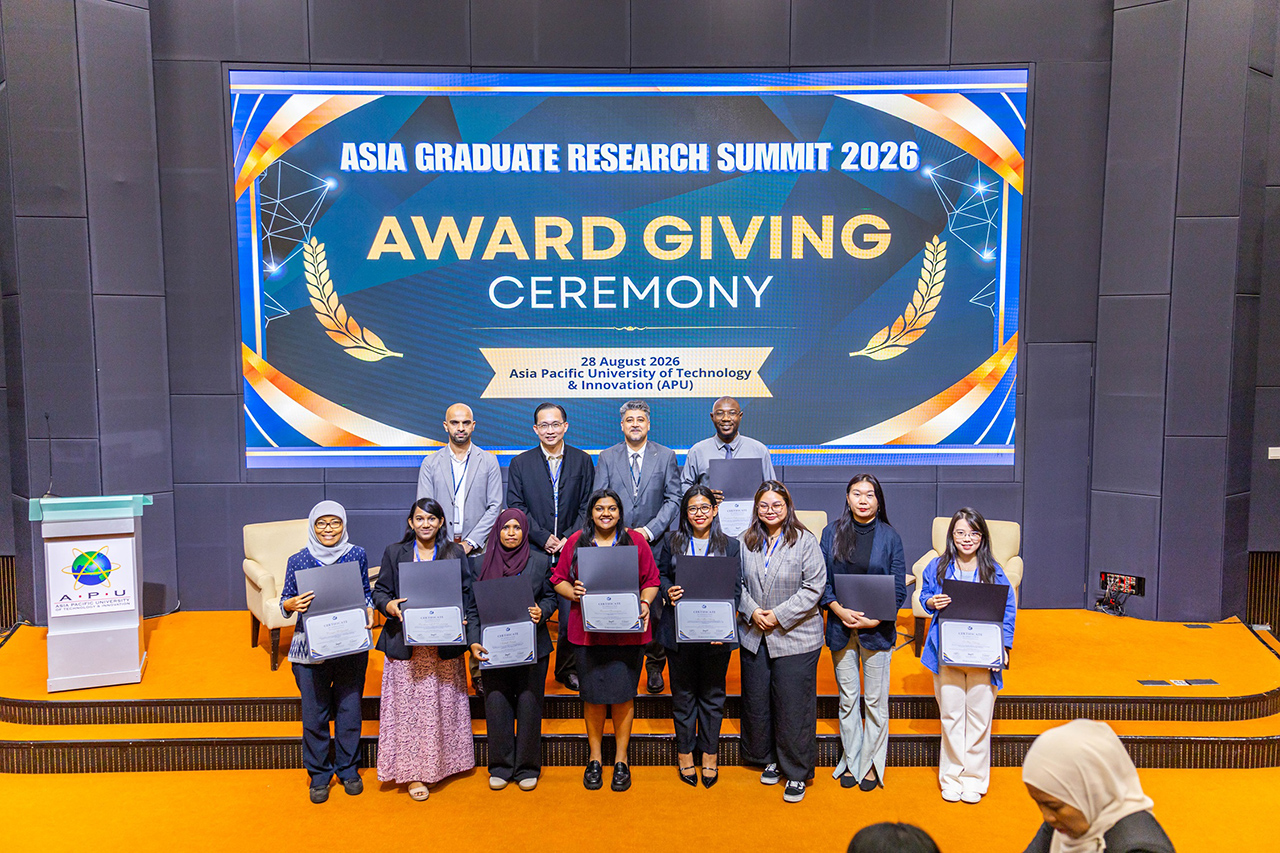
AGRS 2026 concluded by recognising outstanding postgraduate research presented during the Summit. Twelve researchers received AGRS 2026 Best Paper Awards, while three papers received the Emerald Special Award.
The recognised research covered a broad range of contemporary issues, including artificial intelligence, academic integrity, employability, leadership, disability inclusion, sustainability and responsible marketing, reflecting the diversity of research interests represented at the Summit.
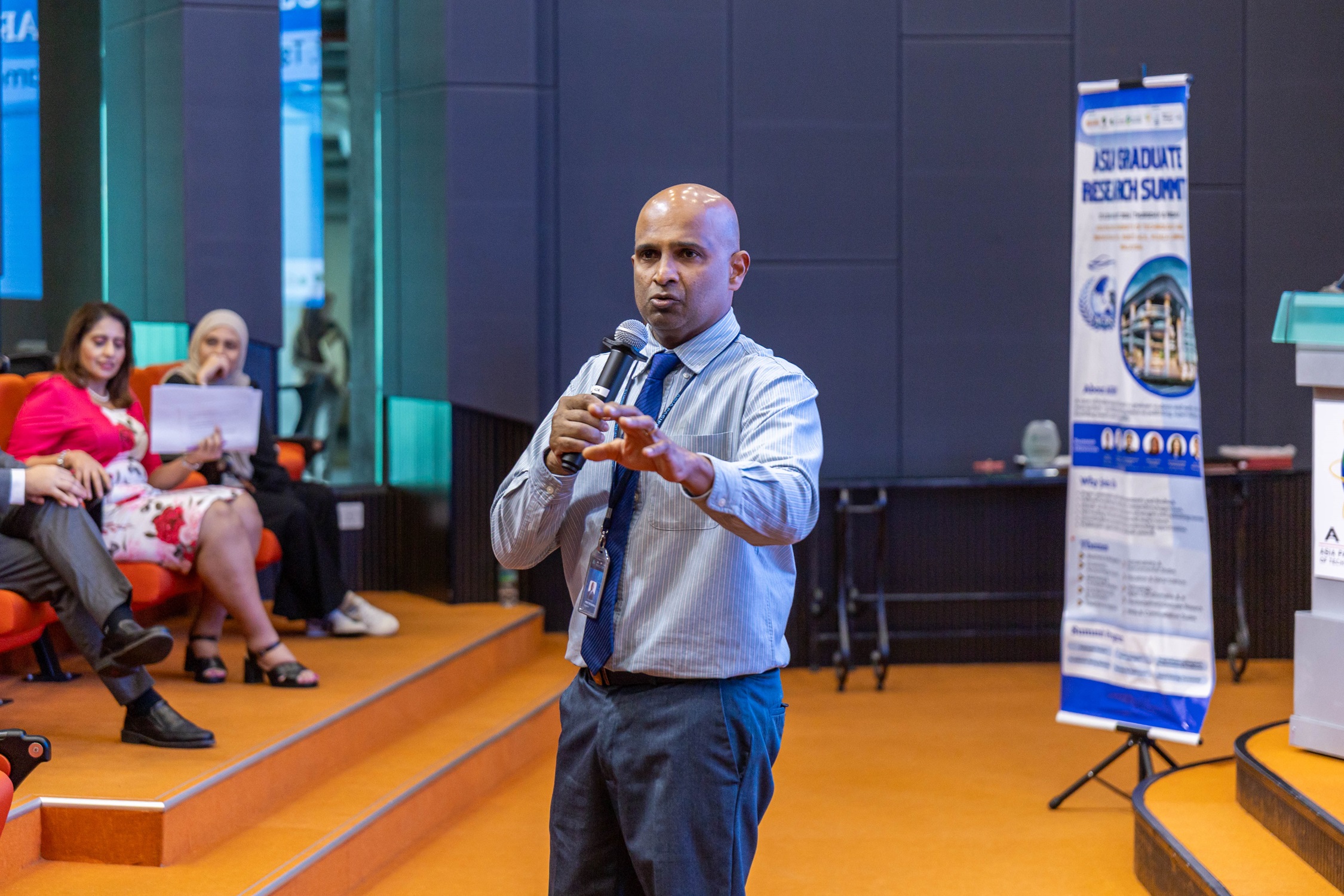
Closing the Summit, APU Deputy Vice-Chancellor Professor Ts Dr Murali Raman emphasised the importance of discipline, focus, emerging technologies and sustained institutional collaboration in strengthening research capacity.
For APU, AGRS 2026 demonstrated the value of bringing researchers, technology, publishing expertise and international partnerships together within one academic environment. Beyond the presentations and awards, the Summit strengthened APU’s role as a regional platform where emerging researchers can develop their work, expand professional networks and participate in a wider international research community.
News & Happening
Download e-Brochures
Intake Calendar
Want to know more ?
Let’s Connect