Moving beyond textbooks and conventional lectures, ICT students at APU explored the practical potential of Artificial Intelligence (AI) through DECODE AI, a hands-on innovation challenge that encouraged them to tackle educational problems, develop creative product concepts and turn theoretical knowledge into practical solutions.
Image
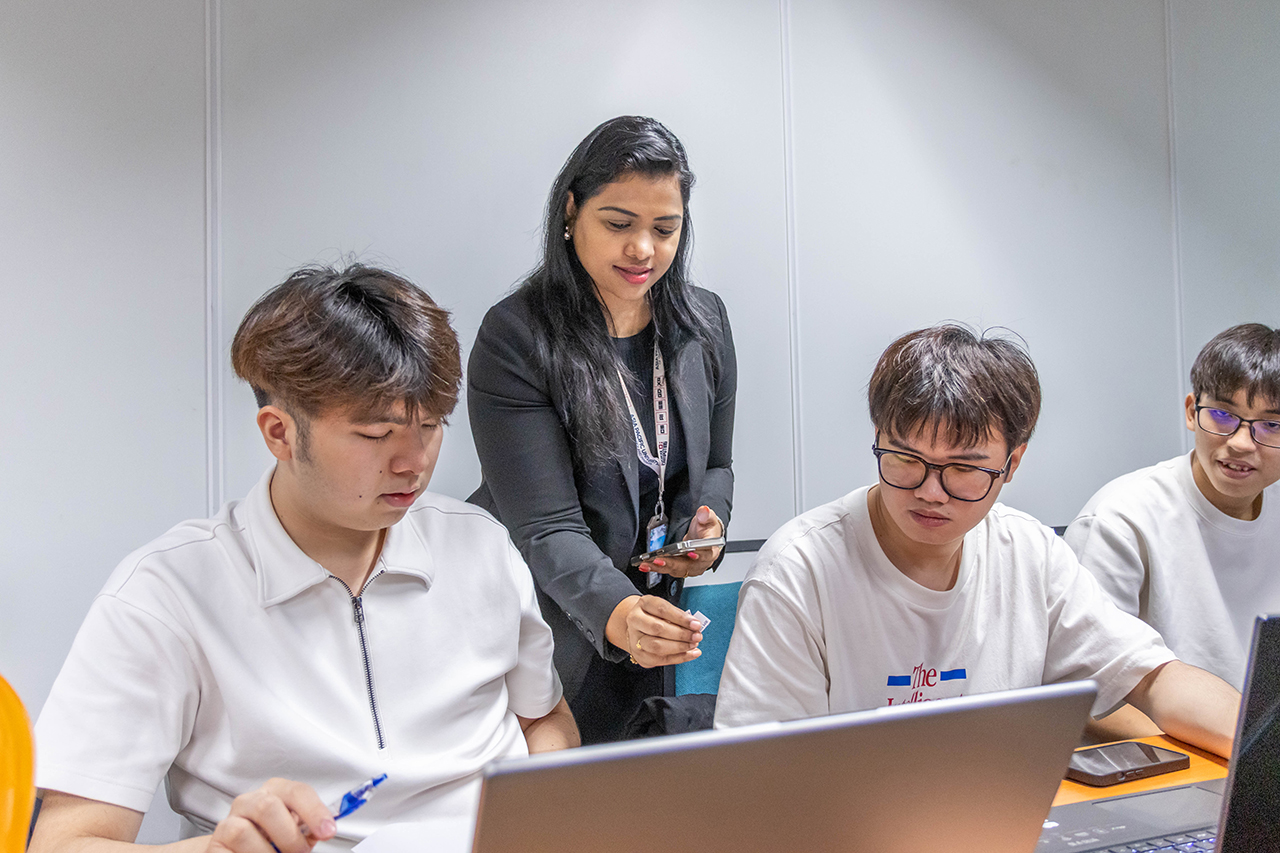
What happens when students are challenged to think beyond textbooks, experiment with emerging technologies and transform their imagination into something meaningful?
For students pursuing a Diploma in Information & Communication Technology, and Diploma in Information & Communication Technology with a Specialism in Software Engineering at Asia Pacific University of Technology & Innovation (APU), the answer unfolded during “DECODE AI – An AI Creativity and Innovation Challenge”, an interactive competition organised by the University's School of Computing (SoC).
Designed to bridge the gap between academic knowledge and practical application, the challenge transformed an ordinary classroom into a collaborative innovation space where students assumed the roles of aspiring AI innovators, product designers and problem-solvers.
Rather than simply learning how AI works, participants were encouraged to explore what they could accomplish with it, particularly in addressing challenges faced by today's education sector.
Turning Educational Challenges into AI-Powered Solutions
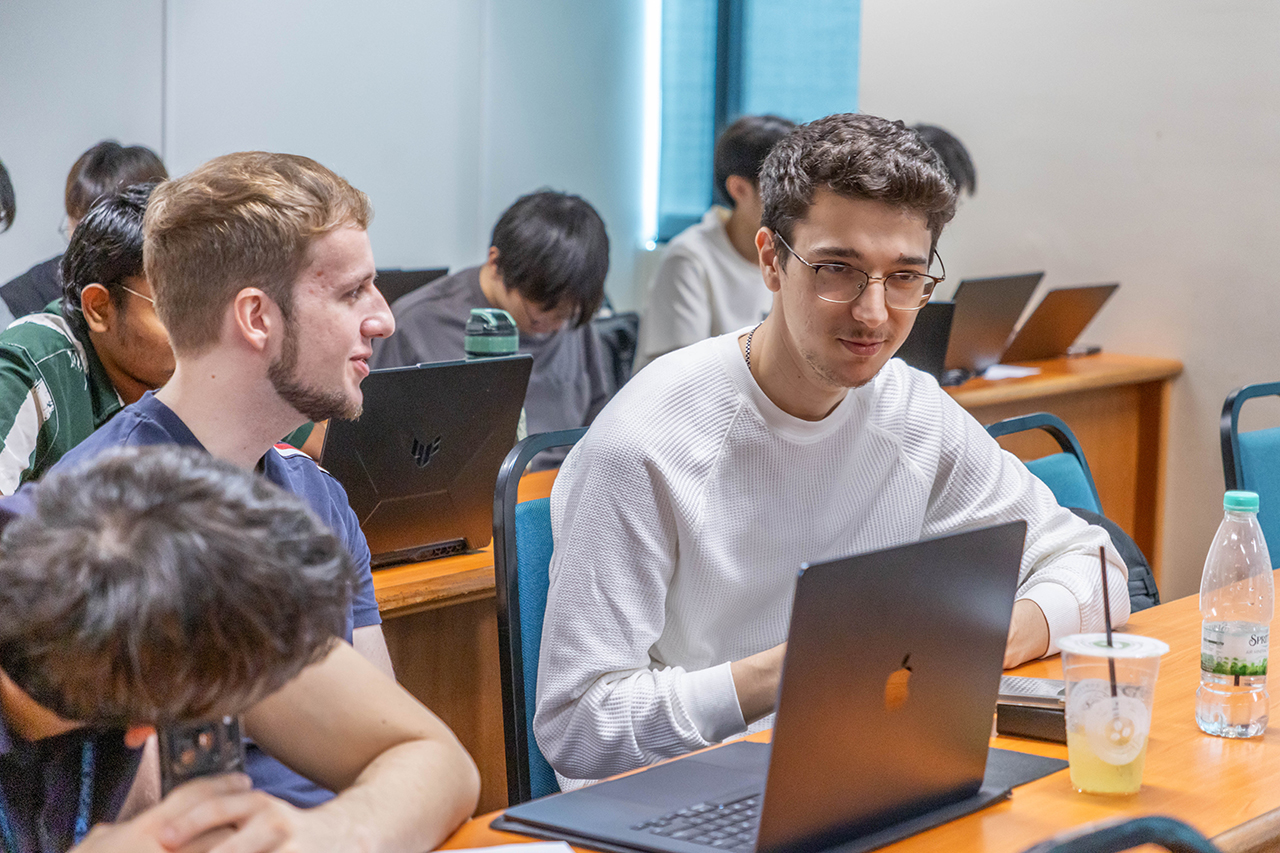
Working in teams, students were tasked with identifying an educational problem, conceptualising an innovative product and exploring how generative AI could help bring their ideas to life.
The process required more than creativity alone. Participants had to analyse problems, evaluate possible solutions and apply computational thinking to develop concepts that were both imaginative and technically relevant.
A central component was prompt engineering, through which students learned to construct, test and refine instructions for generative AI tools. By experimenting with different prompts, they explored how the quality and structure of human input could influence AI-generated outputs.
Students also applied logical reasoning and structured knowledge representation to consider how their proposed products might function, make decisions and respond to users' needs.
As ideas took shape, teams assessed their concepts for feasibility, originality and potential educational value before presenting their proposals to their peers and lecturers.
The exercise reinforced an important lesson: while AI can accelerate ideation and visualisation, human judgement, critical thinking and creativity remain essential in developing meaningful technological solutions.
Learning Through Competition, Collaboration and Feedback
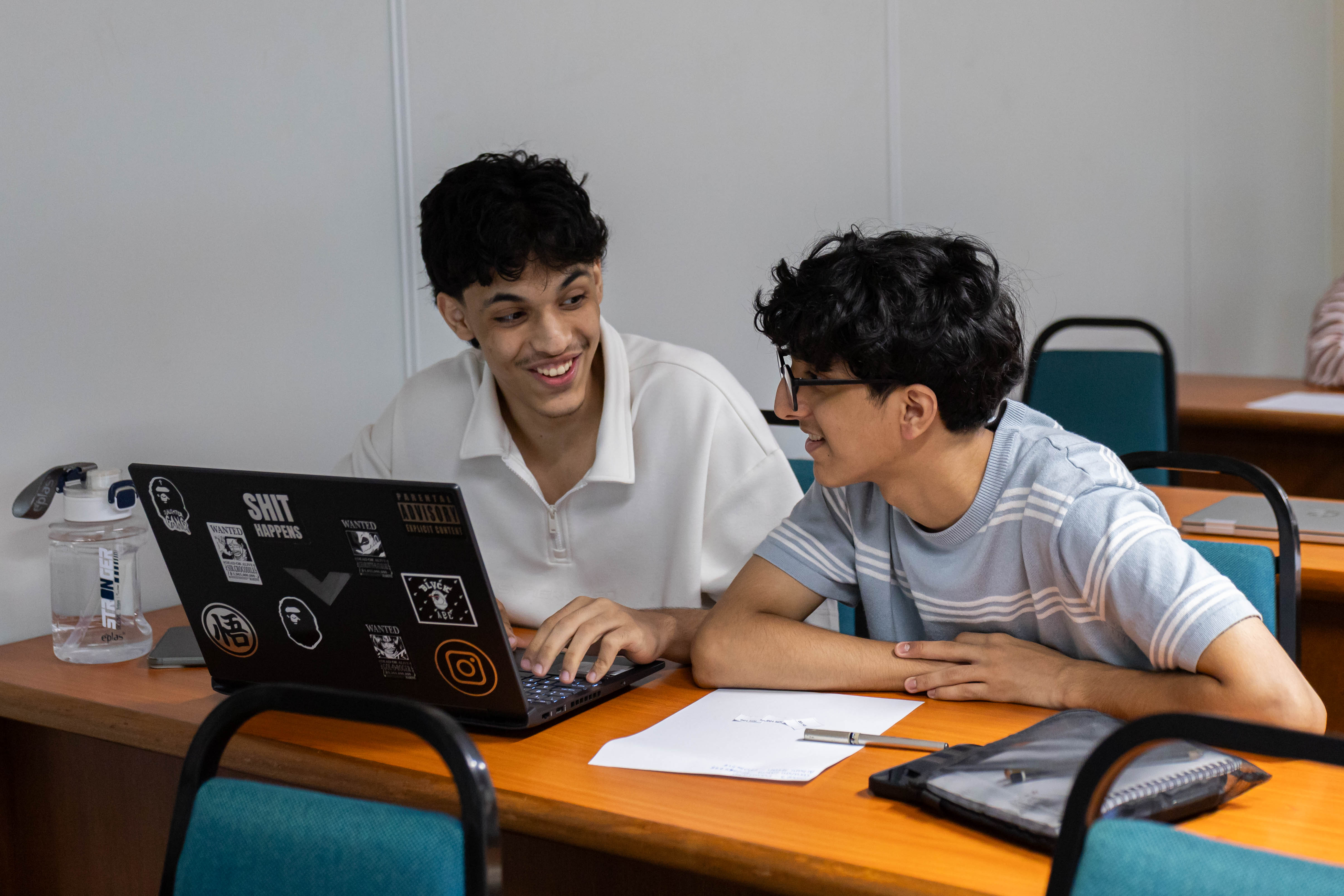
The learning culminated in an innovation competition, allowing students to communicate their ideas, justify their design choices and demonstrate the potential impact of their proposed products.
Outstanding performances were recognised through Gold, Silver and Bronze Awards, with evaluations reflecting different levels of achievement in originality, problem-solving, technical relevance and the effective application of AI.
Beyond the recognition, the challenge encouraged students to exchange perspectives, respond to feedback and appreciate how teamwork can strengthen an initial idea.
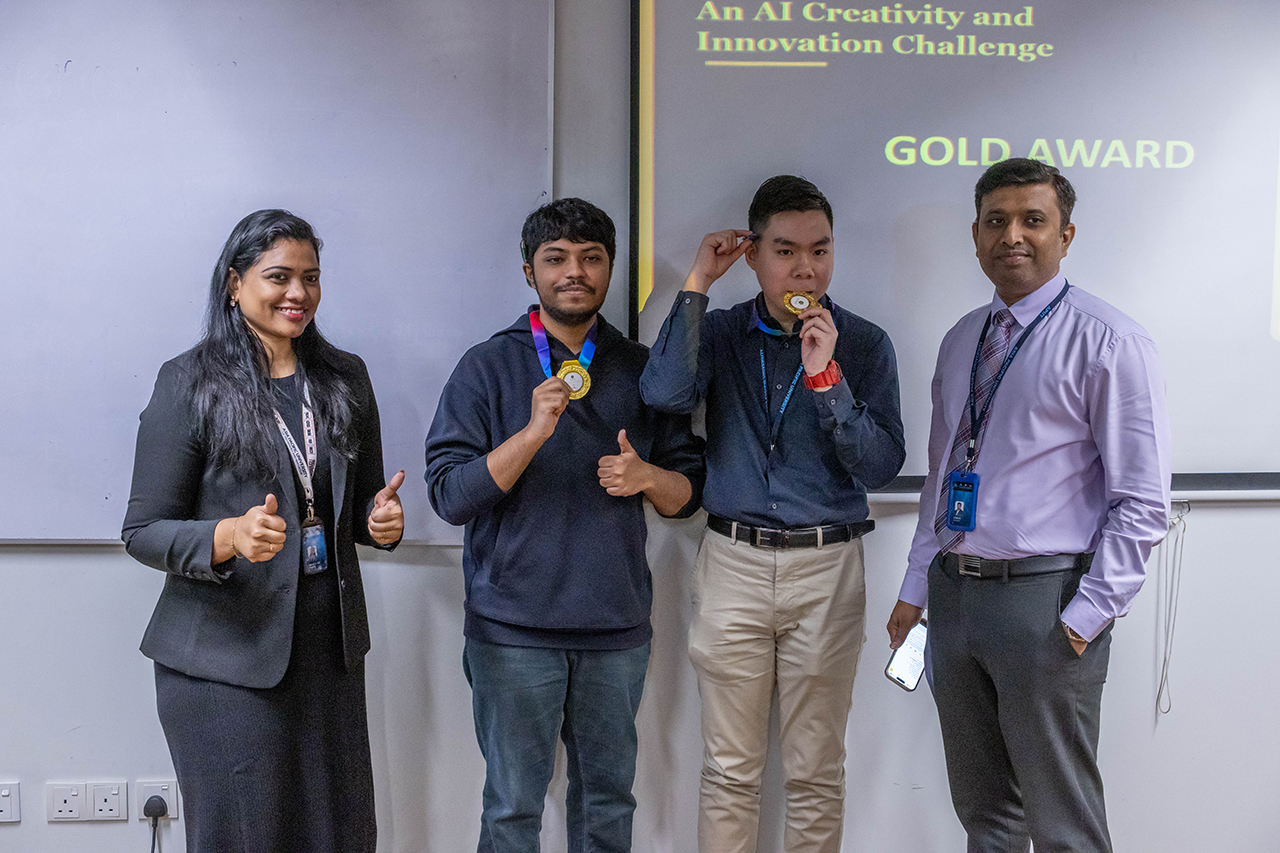
Organised by Dr Adeline Sneha J, Senior Lecturer at SoC, the initiative was supported by fellow academics Assoc Prof Ts Dr Vinothini Kasinathan, Associate Professor; Ms Thavamalini Sivasamy, Lecturer; and Ms Sarimah Samsudin, Senior Lecturer.
Dr Joshua Samual, Senior Lecturer at APU's School of Technology (SoT), served as the competition judge, evaluating the students' product concepts, designs and presentations.
Empowering Students to Shape the Future of AI
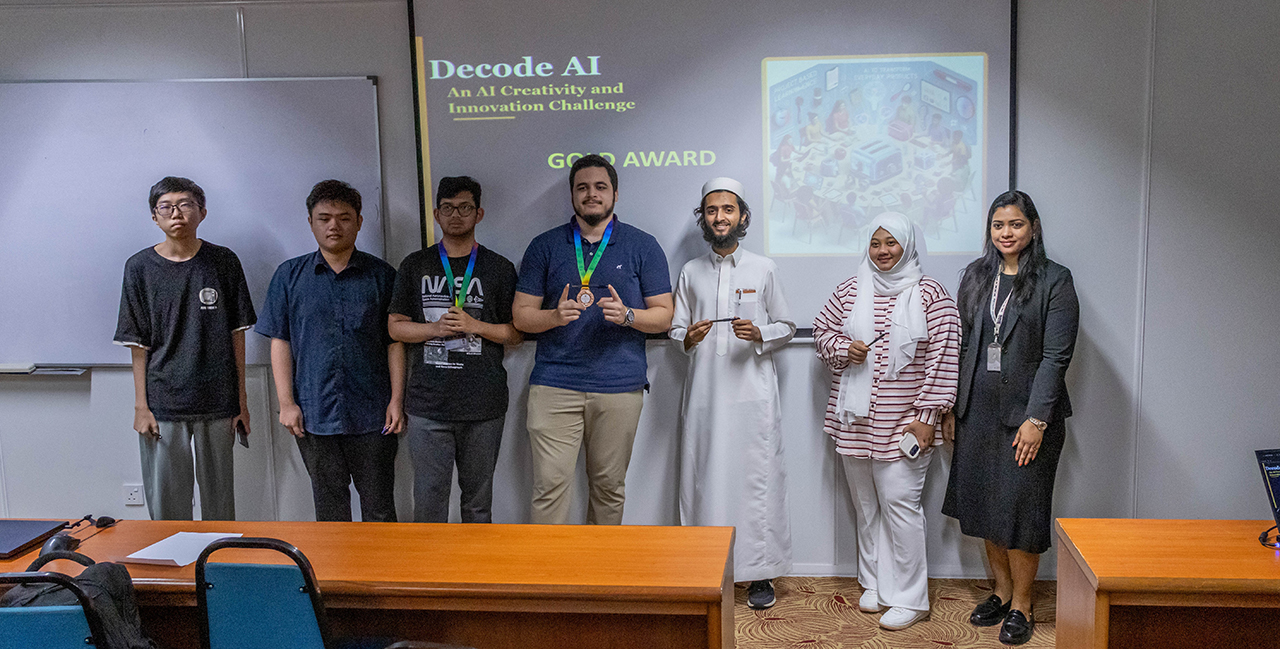
Reflecting on the initiative, Dr Adeline emphasised that its greatest value extended beyond the competition and awards.
"Innovation does not begin with sophisticated technology; it begins when students recognise a problem and have the curiosity and courage to explore a solution. Through DECODE AI, we wanted students to experience how classroom knowledge can become something practical and purposeful.”
“Equally important, they learned that AI is not a substitute for human thinking, but a tool that becomes powerful when guided by creativity, sound judgement and responsible decision-making.”
“As educators, our responsibility is not merely to teach students how to use emerging technologies, but to develop their confidence and ability to question, experiment and create solutions that can make a difference."
Ultimately, DECODE AI demonstrated how experiential learning can turn students from passive recipients of knowledge into active creators of technological solutions.
By combining AI experimentation, problem-solving and innovation pitching, the initiative offered a glimpse into how APU prepares its students not only to adapt to an AI-driven future, but also to contribute to shaping it.
News & Happening
Download e-Brochures
Intake Calendar
Want to know more ?
Let’s Connect