Image
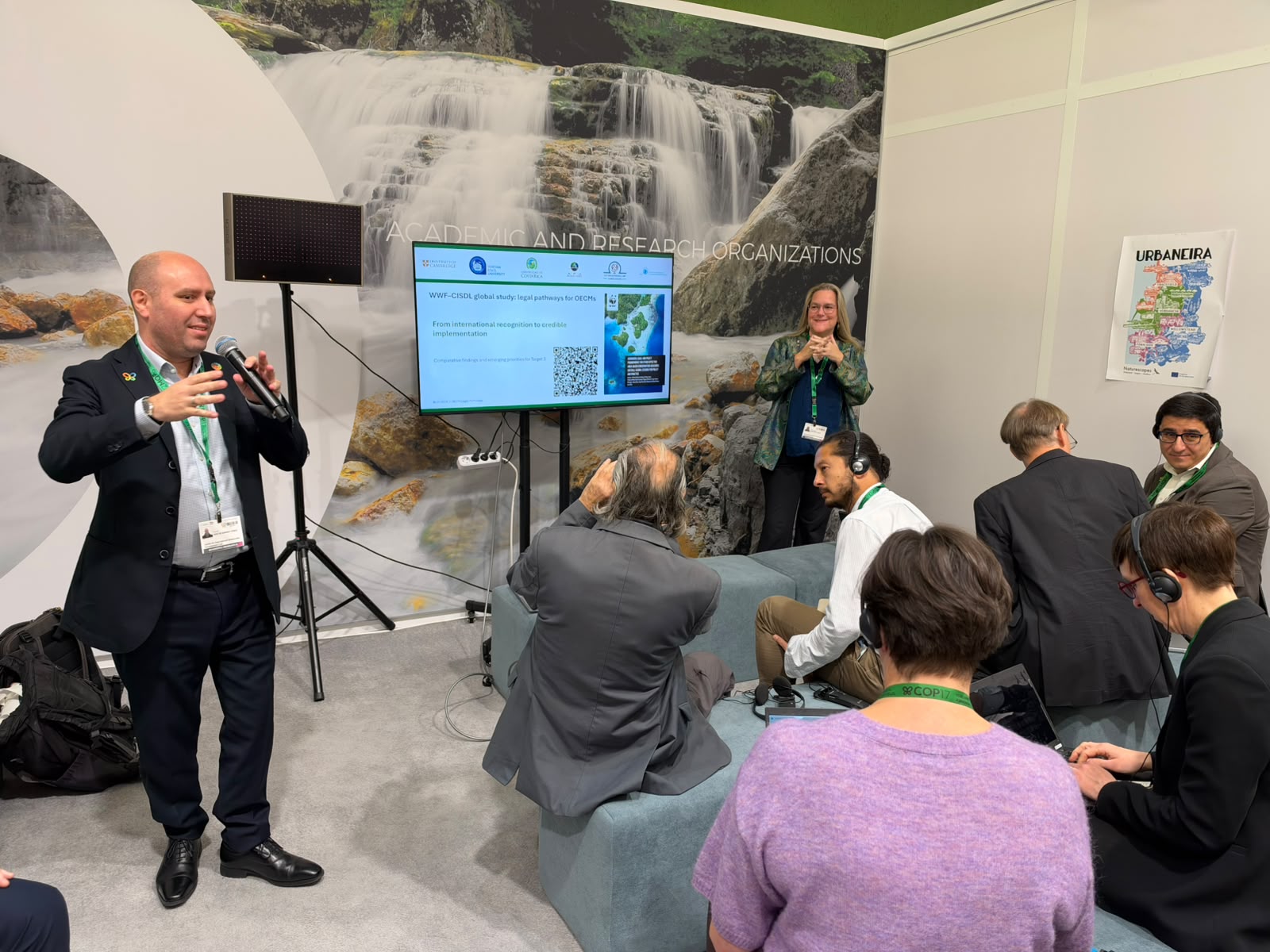
Dr Daniel Ruiz De Garibay Ponce, Senior Lecturer, School of Business (SoB) at Asia Pacific University of Technology & Innovation (APU), brought his expertise in biodiversity law, governance, and international policy to the 17th Meeting of the Conference of the Parties (COP 17) to the Convention on Biological Diversity (CBD), held from 19th October to 30th October 2026 in Yerevan, Armenia.
The conference brought together representatives from governments, international organisations, researchers, practitioners, and civil society to advance discussions on global biodiversity commitments and their implementation.
During the conference, Dr Daniel contributed to the Biodiversity Law and Governance Day (BLGD) 2026, taught on an intensive legal specialisation course, and presented comparative research on Other Effective Area-Based Conservation Measures (OECMs).
Convening Discussions on Biodiversity Law and Governance
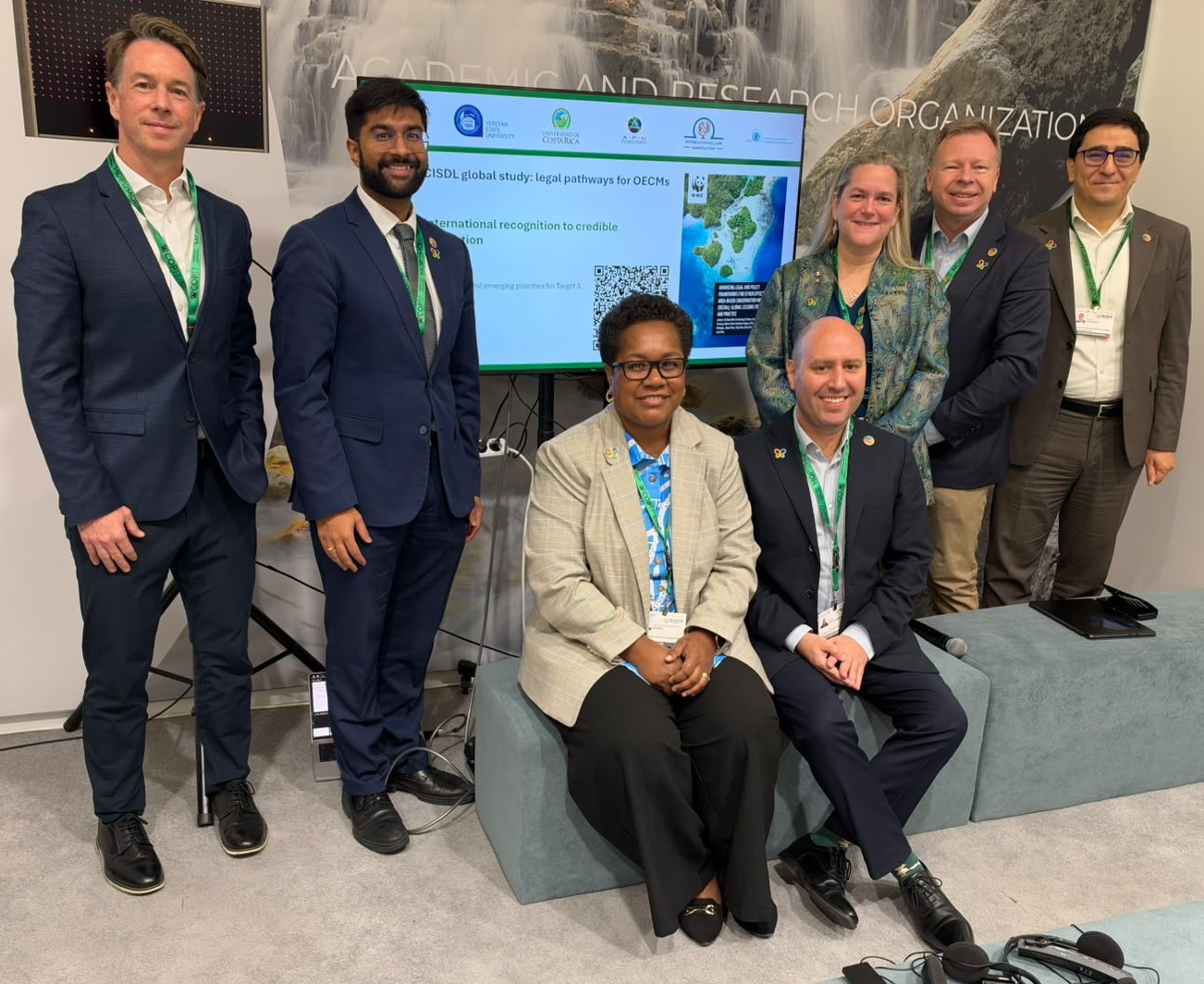
Dr Daniel served as Master of Ceremonies for BLGD 2026; guiding participants through the day’s discussions and exchanges.
He also co-chaired the session “Transitioning from Recognition to Results: Legal and Governance Pathways for Credible OECMs,” alongside Dr Harry Jonas, Senior Director of Conservation Areas at World Wide Fund for Nature (WWF).
The session examined how OECMs can progress from international recognition towards credible, equitable, and durable implementation, with discussions spanning legal frameworks, governance arrangements, and practical considerations.
Bringing Biodiversity Law into the Classroom
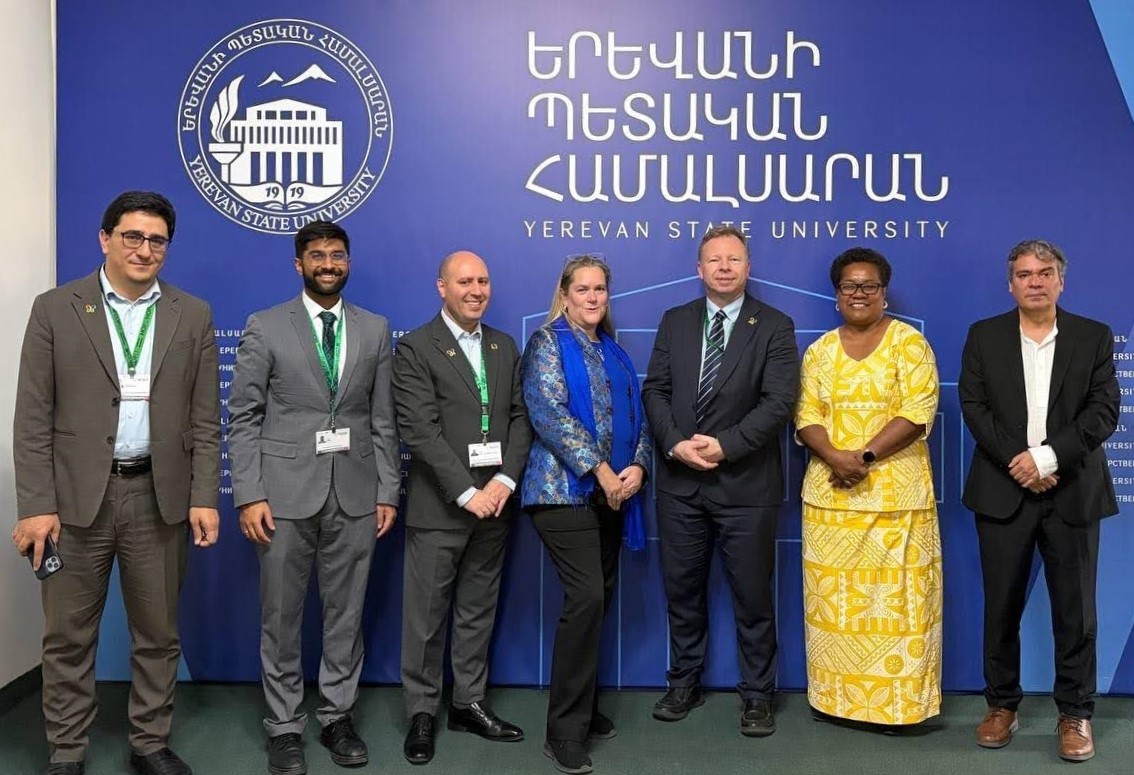
Beyond the conference discussions, Dr Daniel contributed as a faculty member to the Biodiversity Law and Governance Legal Specialisation Course 2026 at Yerevan State University (YSU); teaching alongside academics and practitioners from the University of Cambridge and other partner institutions.
The intensive course explored key international legal frameworks governing biodiversity; including CBD and its protocols, the Kunming-Montreal Global Biodiversity Framework (GBF), the Convention on the Conservation of Migratory Species of Wild Animals (CMS), and the Convention on International Trade in Endangered Species of Wild Fauna and Flora (CITES).
Through the course, students and early-career professionals engaged directly with the legal frameworks, institutions, and international processes shaping biodiversity policy.
Dr Daniel’s involvement also connected the discussions to the broader academic study of international relations, environmental policy, and global governance.
Presenting Research on OECM Implementation
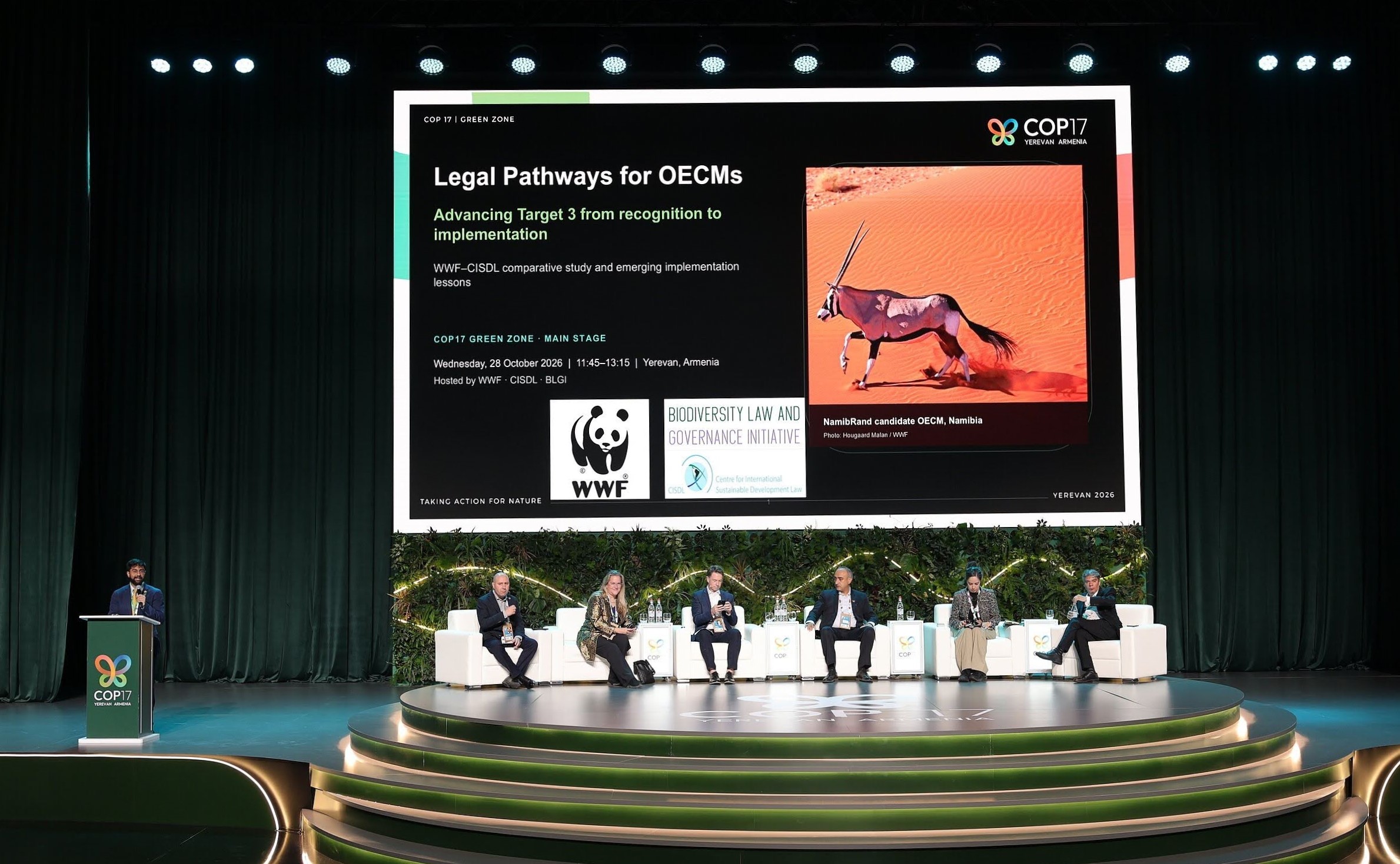
Building on the discussions surrounding OECMs, Dr Daniel presented findings from the WWF-Centre for International Sustainable Development Law (CISDL) global study, “Advancing Legal and Policy Frameworks for OECMs: Global Lessons for Policy and Practice.”
Under the session “Legal Pathways for OECMs: Advancing Target 3 from Recognition to Implementation,” the presentation examined comparative legal and policy findings from the global study and their relevance to the implementation of Target 3 of GBF.
Dr Harry introduced the global OECM agenda, while Dr Daniel presented the study’s findings; bringing comparative research into discussion with the wider academic and policy community attending COP 17.
The research was further presented at COP 17 main stage, where Dr Daniel, Dr Tejas Rao, Postdoctoral Research Associate at Lucy Cavendish College of the University of Cambridge, and Prof Marie-Claire Cordonier Segger, Chair in Sustainable Development Law and Policy at Lucy Cavendish College of the University of Cambridge, shared the study’s findings and connected its global evidence with implementation experiences from Mexico and Armenia.
Connecting APU with International Research and Policy Communities
Dr Daniel’s participation at COP17 demonstrated how academic expertise can contribute to international discussions, while creating opportunities to connect research, teaching, and professional engagement with global policy developments.
For APU, the engagement provided opportunities to connect the university’s academic work with current discussions in global biodiversity governance.
The experiences and examples gathered through the conference can further contribute to teaching and research; giving students a closer view of how international commitments are translated into national laws, institutional frameworks, and practical conservation decisions.
News & Happening
Download e-Brochures
Intake Calendar
Want to know more ?
Let’s Connect