Image
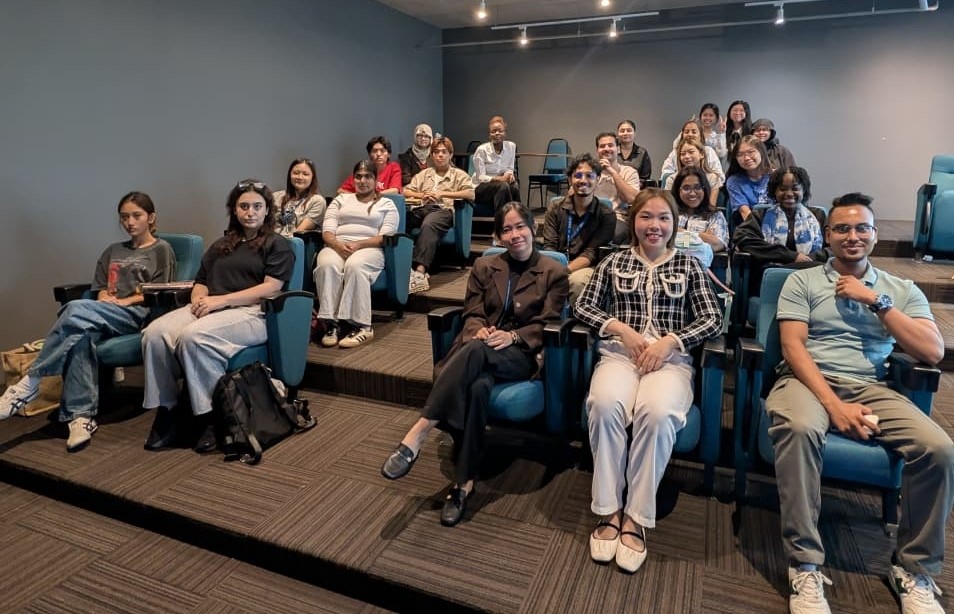
Recently, the School of Psychology (SoP) at Asia Pacific University of Technology & Innovation (APU) organised a workshop titled “The Psychology of High Performance for Students,” featuring Ms Delwina Cheah, Head of Psychology Education and Manager of Corporate Affairs at Deliver Winners Academy, who is also a national judo athlete.
Led by Ms Izlin Tham Adam Tham (Lecturer, SoP at APU), the workshop introduced students to psychological factors that can influence motivation, consistency, time management, and academic performance.
Drawing from Ms Delwina’s background in psychology, she shared personal experiences and practical perspectives on developing the mindset, habits, and approaches needed to perform consistently.
Exploring the Psychology of Taking Action
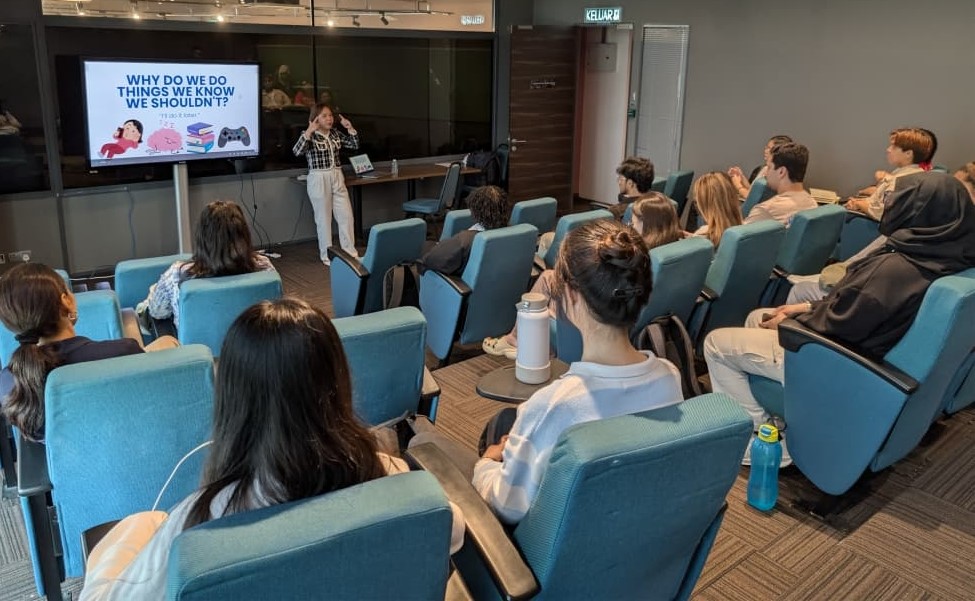
The session began with a discussion on why individuals may struggle to complete tasks despite knowing what needs to be done, to which Ms Delwina introduced the concepts of present bias and procrastination; explaining how people may prioritise immediate comfort over longer-term goals.
The discussion also explored how individuals may sometimes avoid the uncomfortable feelings associated with a task rather than the task itself.
Through these perspectives, students were encouraged to recognise some of the psychological barriers that can affect their ability to take action and remain consistent.
From Motivation to Consistent Progress

Building on the discussion of motivation and procrastination, students explored several factors that can influence performance.
Ms Delwina explained that while motivation can encourage individuals to begin a task, it may not always be enough to sustain progress, particularly when faced with demanding schedules or challenging responsibilities.
Instead, students were introduced to the importance of developing structured and repeatable systems that can support consistency even when motivation fluctuates.
This included creating supportive environments, establishing effective routines, and breaking larger goals into smaller and more manageable actions.
Through these strategies, students were encouraged to consider how small, consistent steps can contribute to long-term progress, while helping them manage their academic responsibilities more effectively.
Developing Practical Approaches to Goal Setting
A key feature of the workshop was the introduction of the DEL method, a practical framework designed to help individuals translate their goals into action.
The method consists of three steps:
- Define: Clearly identify what one wants to achieve.
- Engineer: Design the environment, routines, and systems needed to support the goal.
- Launch: Identify and take the smallest practical action that can be completed today.
The approach can be applied to various areas; including academic tasks, time management, personal development, and other goals requiring sustained effort.
Through the framework, students were encouraged to move beyond simply setting goals and consider the practical steps needed to make progress achievable in their daily lives.
Applying Psychology to Everyday Performance
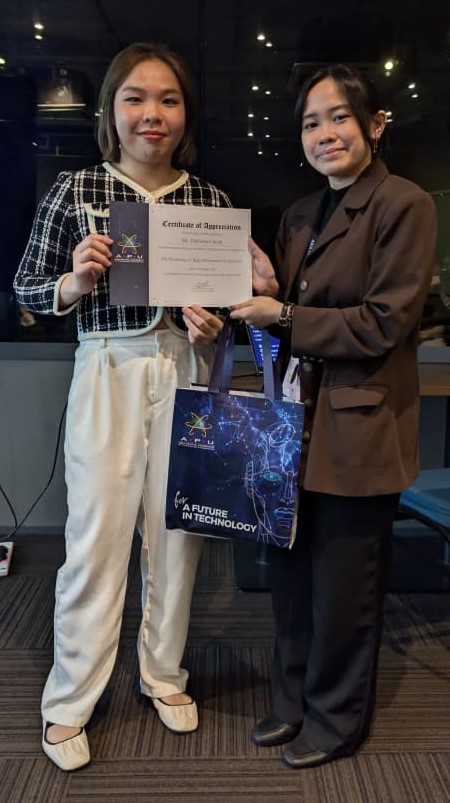
Taken together, the workshop provided students with a broader understanding of the psychological factors that shape performance, while connecting these concepts with practical approaches to managing responsibilities, developing consistent habits, and working towards personal goals.
Through the strategies and frameworks introduced during the session, students were prompted to reflect on their own routines and recognise how structured systems, continuous improvement, and small, deliberate actions can support greater consistency in their academic and personal lives.
News & Happening
Download e-Brochures
Intake Calendar
Want to know more ?
Let’s Connect