Over 200 students engaged directly with senior Prime Minister’s Office officials, questioning Malaysia’s diplomatic choices, economic priorities and humanitarian responsibilities in a rare encounter that brought national policymaking into the university classroom.
Image
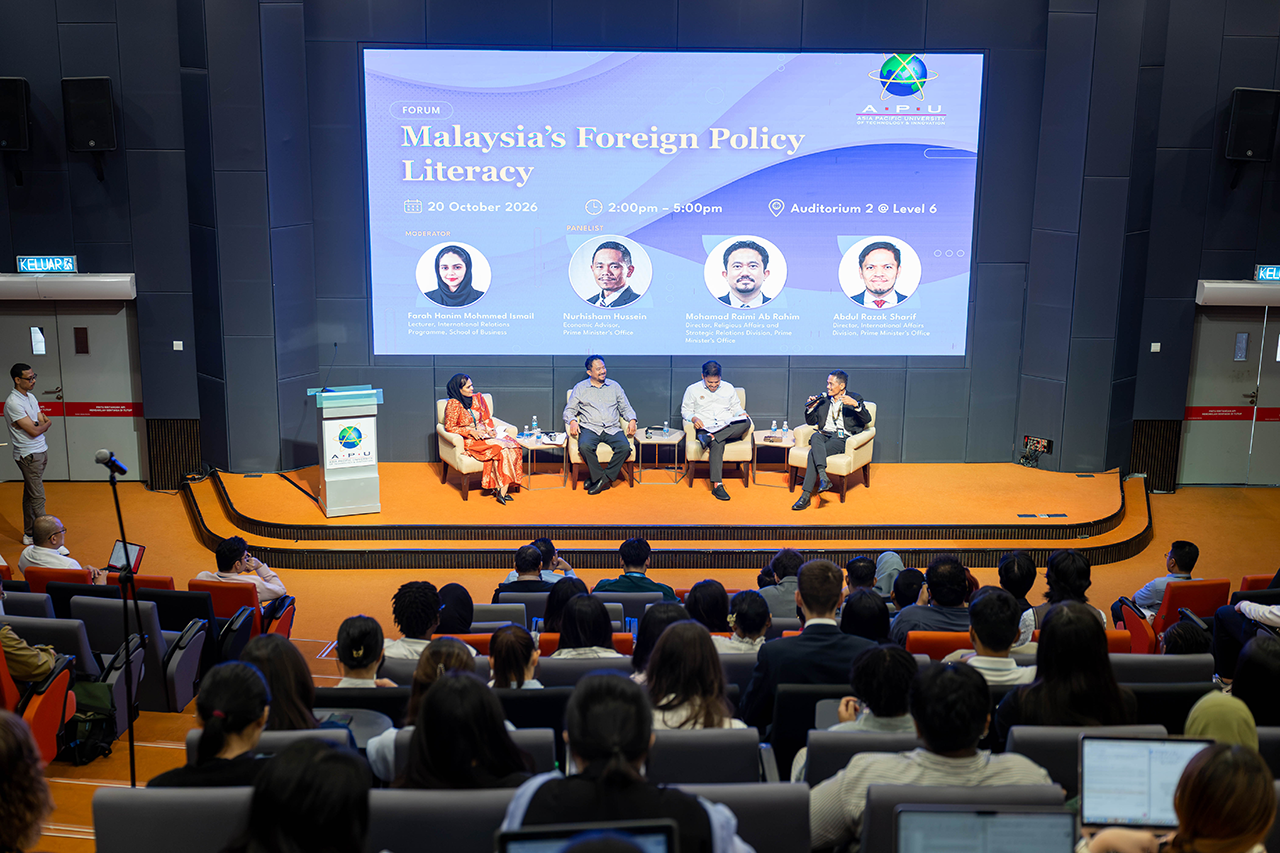
Foreign policy is often discussed behind closed doors, but at Asia Pacific University of Technology & Innovation (APU), over 200 students had an opportunity to question the people involved in shaping Malaysia’s international relations.
From balancing foreign investment with national principles to addressing regional humanitarian crises, students put challenging questions to three senior officials from the Prime Minister’s Office (PMO) during Malaysia’s Foreign Policy Literacy Forum, held on 20 October 2026.
The event marked a milestone for APU as the first private university to collaborate with the PMO in this forum series, following six previous editions hosted by public universities.
Held at APU’s campus in MRANTI Technology Park, Bukit Jalil, the forum offered students direct exposure to the complexities of foreign policymaking, extending their learning beyond academic theories and conventional classroom discussions.
Bringing Putrajaya's Policymaking Experience into the Classroom
The distinguished panellists were Mr Nurhisham Hussein, Economic Adviser to the Prime Minister; Mr Mohamad Raimi Ab Rahim, Director of the Religious Affairs and Strategic Relations Division; and Mr Abdul Razak Sharif, Director of the International Affairs Division.
Organised through APU’s School of Business in support of its Bachelor of Arts (Honours) in International Relations programme, the initiative was spearheaded by lecturers Mr Muhammad Syahir Md Ali, Ms Nurul Hidayah Badrul Ezan and Ms Sitti Zarina Alimuddin.
“Our primary motivation was to bridge the gap between classroom theory and the realities of foreign policymaking. Through our collaboration with the Prime Minister’s Office, we wanted students to gain first-hand insights into how Malaysia’s foreign policy is shaped by national interests, diplomatic relationships and leadership experiences,” explained Mr Muhammad Syahir.
Moderated by Ms Farah Hanim Mohmed Ismail, Lecturer in APU’s International Relations programme, the discussion examined Malaysia’s diplomatic positioning amid competing global interests.
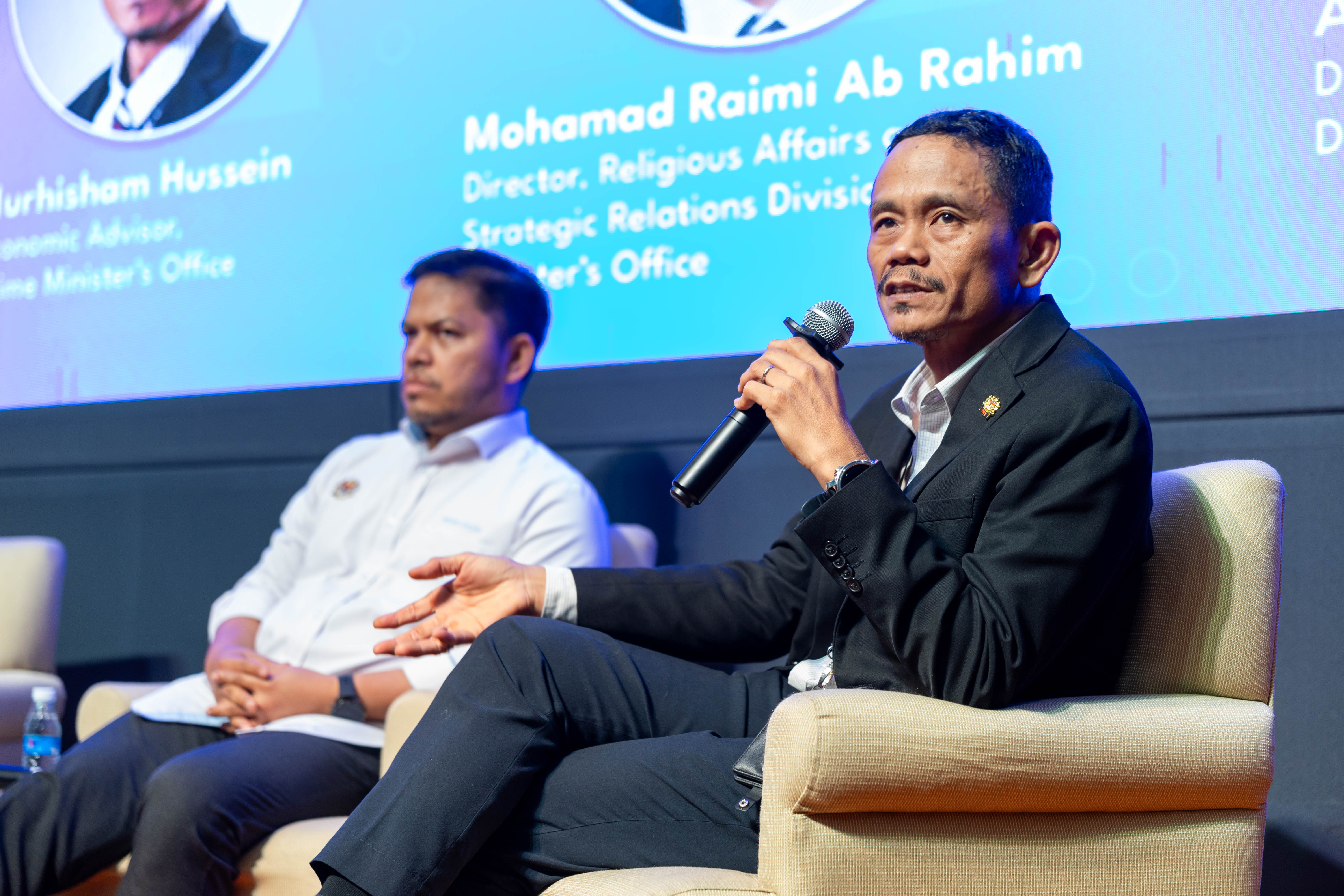
Mr Nurhisham highlighted Malaysia’s dependence on international trade and investment, while Mr Abdul Razak explained the country’s policy of active non-alignment and its approach to maintaining relationships with different global powers.
Mr Mohamad Raimi explored how Prime Minister Datuk Seri Anwar Ibrahim’s multicultural upbringing, intellectual influences and international networks have shaped his diplomatic outlook, alongside the values underpinning the MADANI framework.
Together, their perspectives illustrated how economic considerations, diplomatic relationships and leadership experiences intersect in national decision-making.
Students Challenge the Realities Behind Diplomatic Decisions
The forum’s most compelling moments emerged when students questioned how Malaysia reconciles its diplomatic principles with practical national interests.
International Relations student Goh Min Li asked whether Malaysia’s positions on moral and religious issues could conflict with its economic dependence on Western foreign investment.
Mr Nurhisham acknowledged that tensions could arise, particularly in sensitive sectors, while explaining Malaysia’s approach to maintaining investment relationships with diverse international partners.
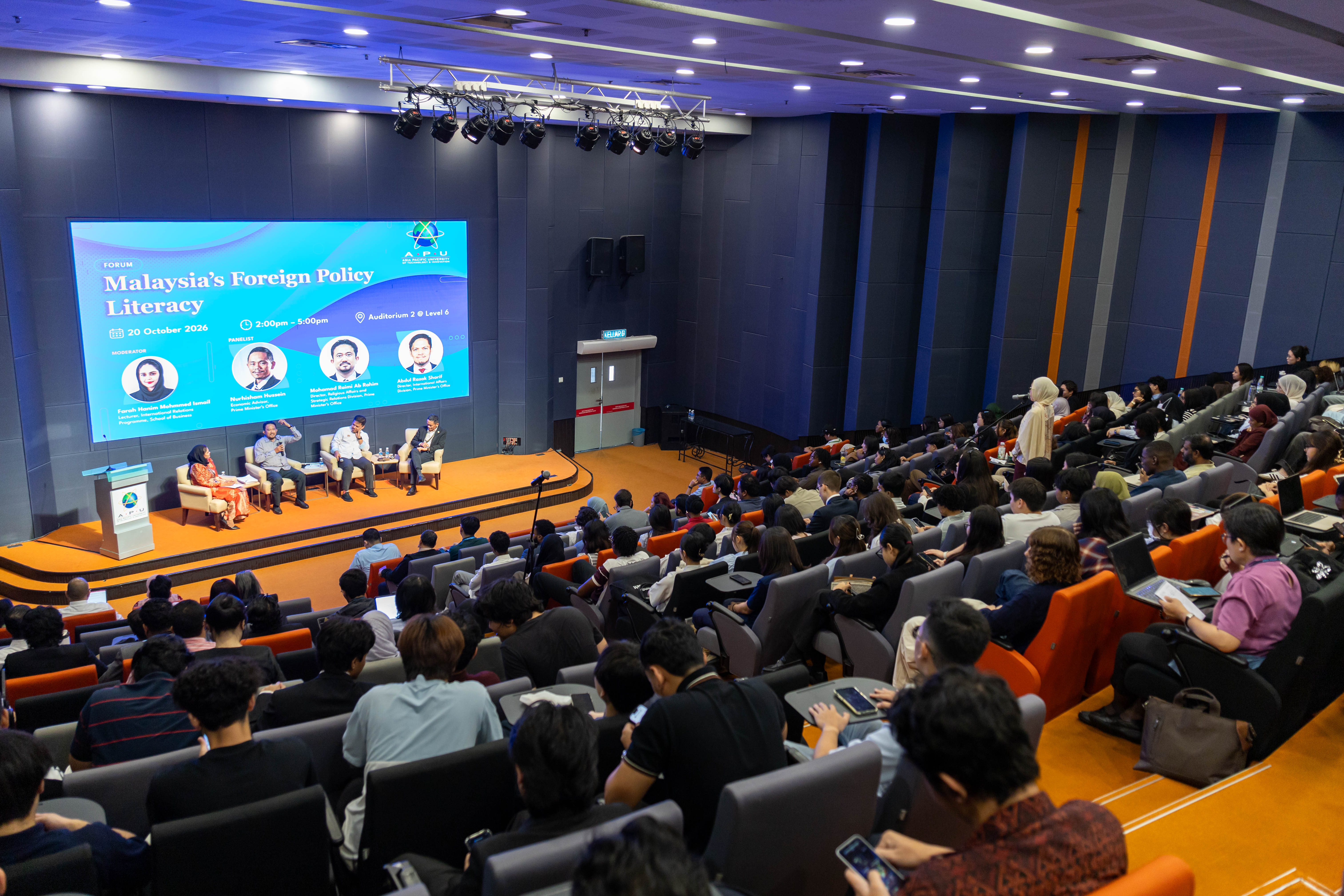
An Indonesian student raised concerns about transboundary haze, questioning how Malaysia could pursue stronger regional cooperation without compromising Indonesia’s sovereignty.
The discussion also addressed the Rohingya refugee crisis and the political situation in Myanmar.
Bangladeshi student Najmay Alahe Muhin questioned the effectiveness of quiet diplomacy when regional humanitarian and environmental challenges continue to affect neighbouring countries.
Meanwhile, Malaysian student Muhammad Iman Bin Sarizal asked how governments respond when public sentiment conflicts with perceived national interests.
These exchanges exposed students to the difficult balancing act between sovereignty, humanitarian responsibilities, economic development and public expectations.
From Diplomatic Tensions to Digital Misinformation
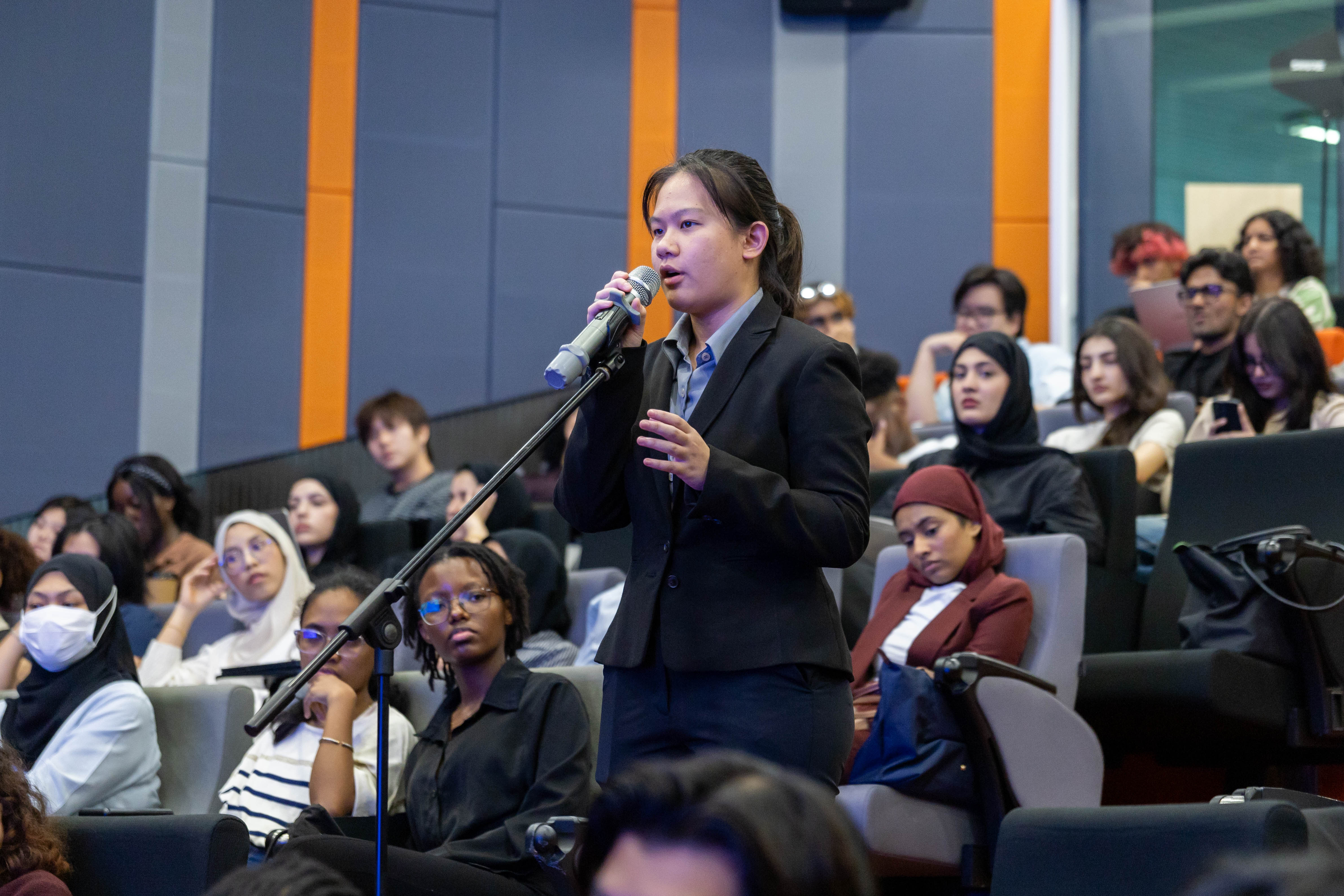
Beyond conventional diplomatic concerns, students explored how misinformation and artificial intelligence complicate public understanding of international affairs.
The panellists stressed the importance of verifying information through credible sources, particularly as sensational and manipulated content increasingly circulates across digital platforms.
Questions concerning United Nations Security Council reform, women’s participation in national leadership and Malaysia’s ambitions as a regional technology hub further broadened the discussion.
For organiser Ms Nurul Hidayah, the students’ willingness to question established positions was particularly encouraging.
“What impressed us was the students’ willingness to look beyond official positions and examine how these principles are applied in practice. Their questions demonstrated an understanding that foreign policy involves difficult trade-offs between national interests, economic priorities, moral principles and international responsibilities,” she said.
A Rare Opportunity to Learn from National Decision-Makers
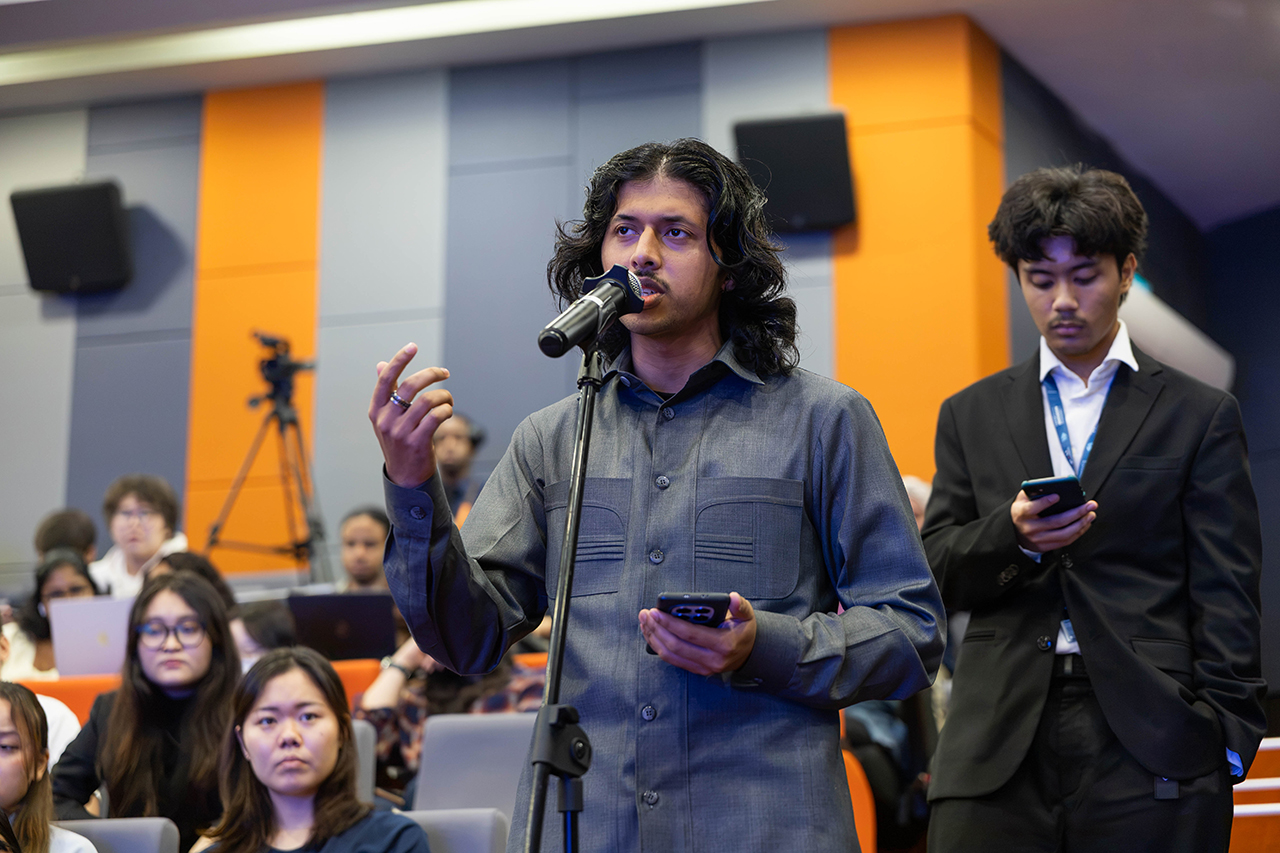
For participating students, the forum offered a rare opportunity to move beyond classroom theories and gain first-hand insights into the realities of foreign policymaking. Their direct engagement with senior officials from the Prime Minister’s Office deepened their understanding of how national priorities, diplomatic relationships and competing interests shape decisions that affect Malaysia and the wider international community.
Among them, Nur Ilana Hanania Binti Nasrun reflected that the experience had given her a greater appreciation of the complex considerations behind government decisions, many of which may not always be apparent to the public.
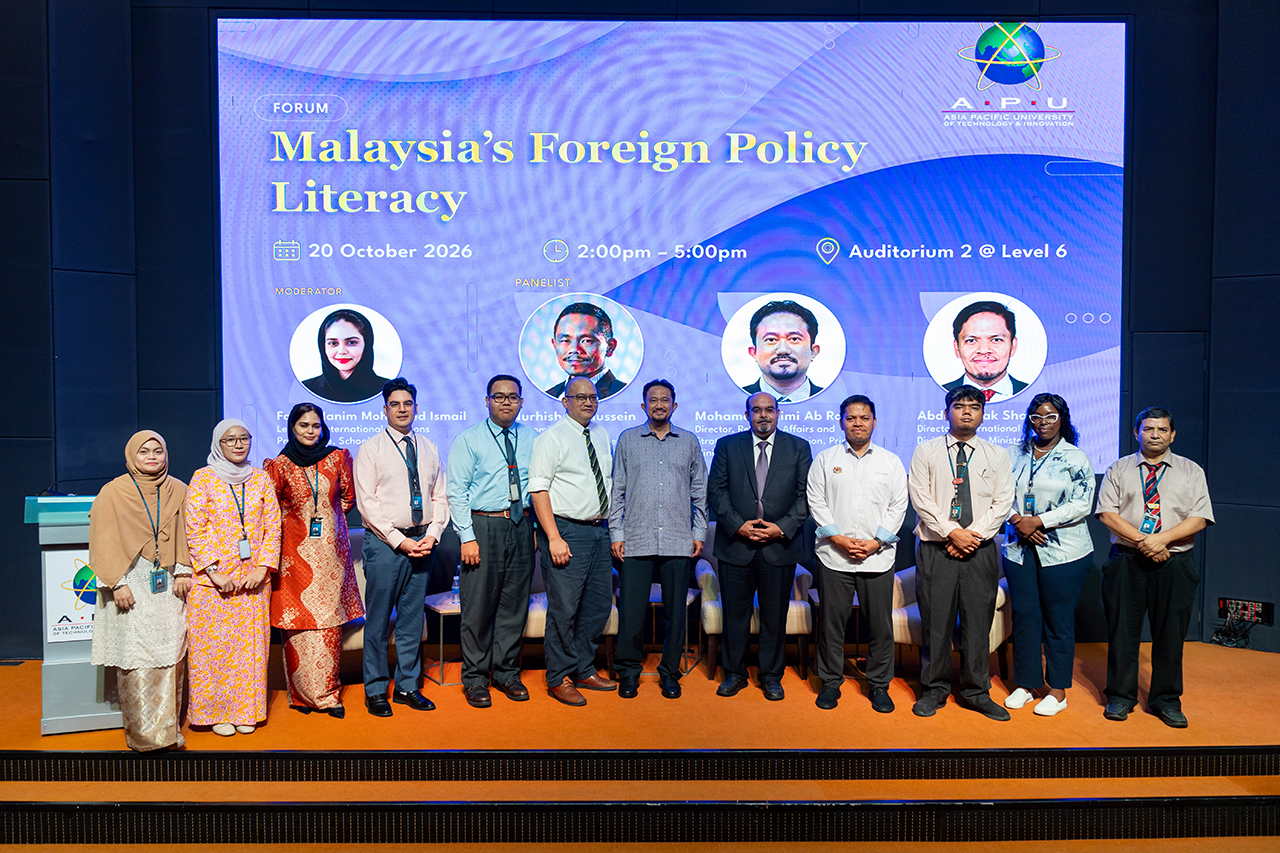
Highlighting the broader significance of the initiative, organiser Ms Sitti Zarina Alimuddin emphasised that foreign policy literacy extends well beyond diplomatic and government circles.
“Foreign policy may be made at the highest levels of government, but its consequences reach every one of us. Understanding it is not just the responsibility of diplomats; it is the responsibility of informed citizens.”
Echoing this sentiment, forum moderator Ms Farah Hanim Mohmed Ismail underscored the importance of nurturing critical awareness among young people.
“In an increasingly globalised world, understanding international affairs enables young people to look beyond headlines, question assumptions, evaluate information critically and appreciate the considerations behind national decisions.”
Beyond providing valuable exposure to national policymaking, the forum demonstrated how academic networks and strategic collaboration with government institutions can enrich the student learning journey, bridging theoretical knowledge with professional insights while fostering informed civic participation.
For APU, the initiative reaffirmed its commitment to nurturing internationally minded graduates equipped with the analytical skills, global awareness and critical perspectives needed to navigate an increasingly interconnected world.
“I am proud of our academics for their initiative and dedication in bringing this meaningful collaboration to life. Their efforts have created a rare opportunity for students to engage directly with national policymakers, reflecting our School’s commitment to enriching education through industry and government engagement, while nurturing globally aware graduates,” affirmed Professor Dr Kashif Hussain, Senior Head of the School of Business, APU.
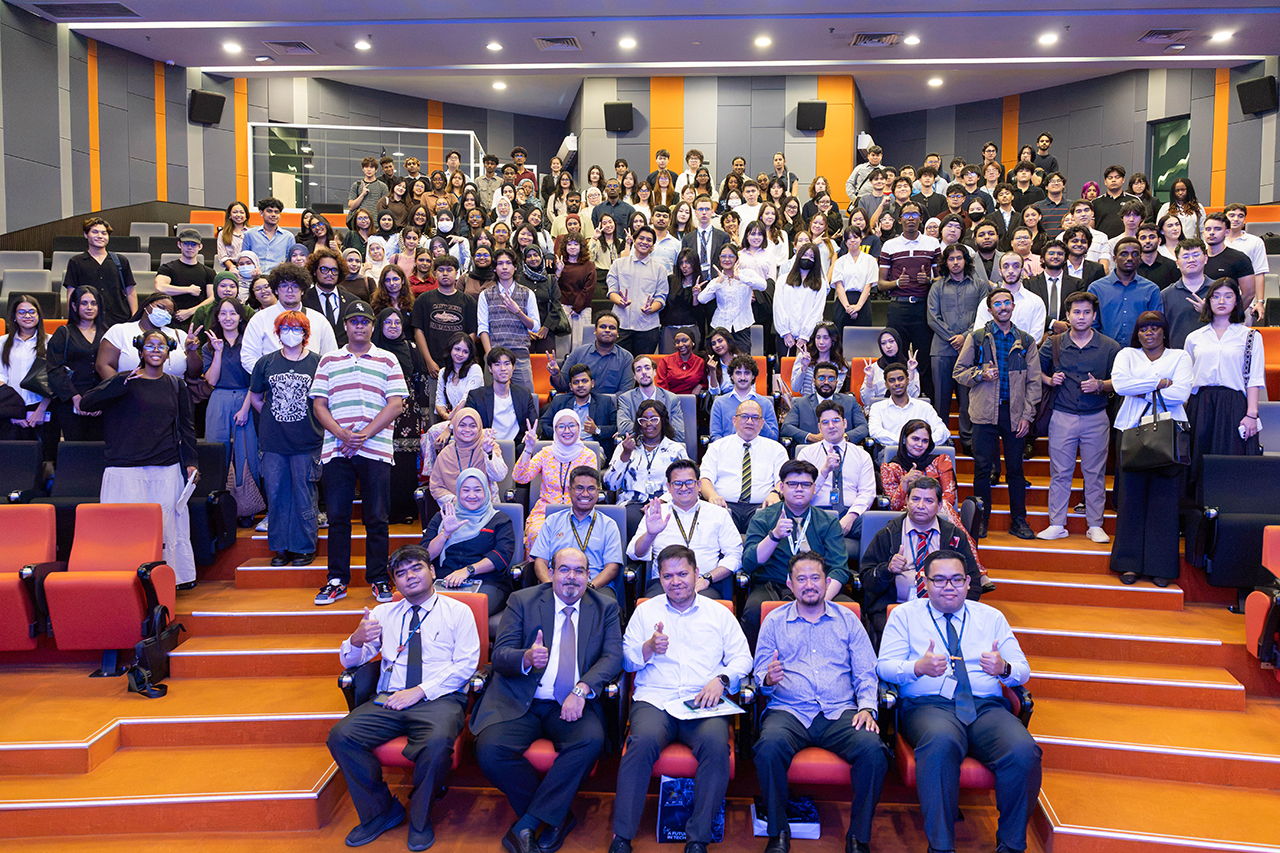
Ultimately, the forum left students with a lesson extending far beyond the classroom: understanding foreign policy is not merely about knowing what governments decide, but appreciating why those decisions are made — and recognising the role their generation can play in shaping the decisions of tomorrow.
News & Happening
Download e-Brochures
Intake Calendar
Want to know more ?
Let’s Connect