Sixteen APU Architecture students visited Port Dickson, Negeri Sembilan, for a three-day educational trip exploring coastal vernacular architecture, timber construction and climate-responsive design through site visits, a lecture session with an Architect and hands-on observations, enhancing their knowledge, critical thinking and understanding of real-world architectural practice while experiencing local culture and gaining practical insights for future designs.
Image
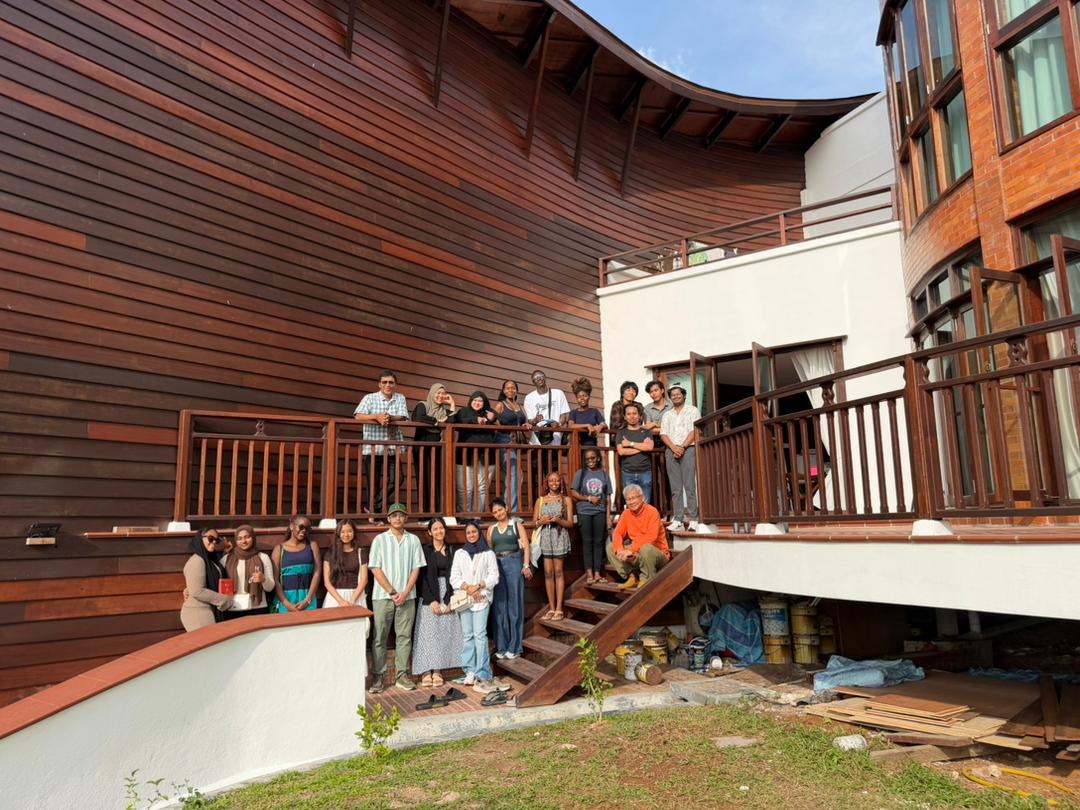
Learning beyond the classroom, sixteen students from the Asia Pacific University of Technology & Innovation’s (APU) School of Architecture and Built Environment (SABE) recently travelled to Port Dickson, Negeri Sembilan for an immersive architectural field trip.
The initiative was led by SABE Programme Leader and Senior Lecturer, Dr Shah Rizal Abd Razak, who designed the programme to provide hands-on learning and real-world exposure to vernacular architecture.
A highlight of the trip was visiting two traditional timber houses and engaging directly with the Architect behind them.
This experience offered students valuable insight into material selection, climate-responsive design, and practical architectural techniques.
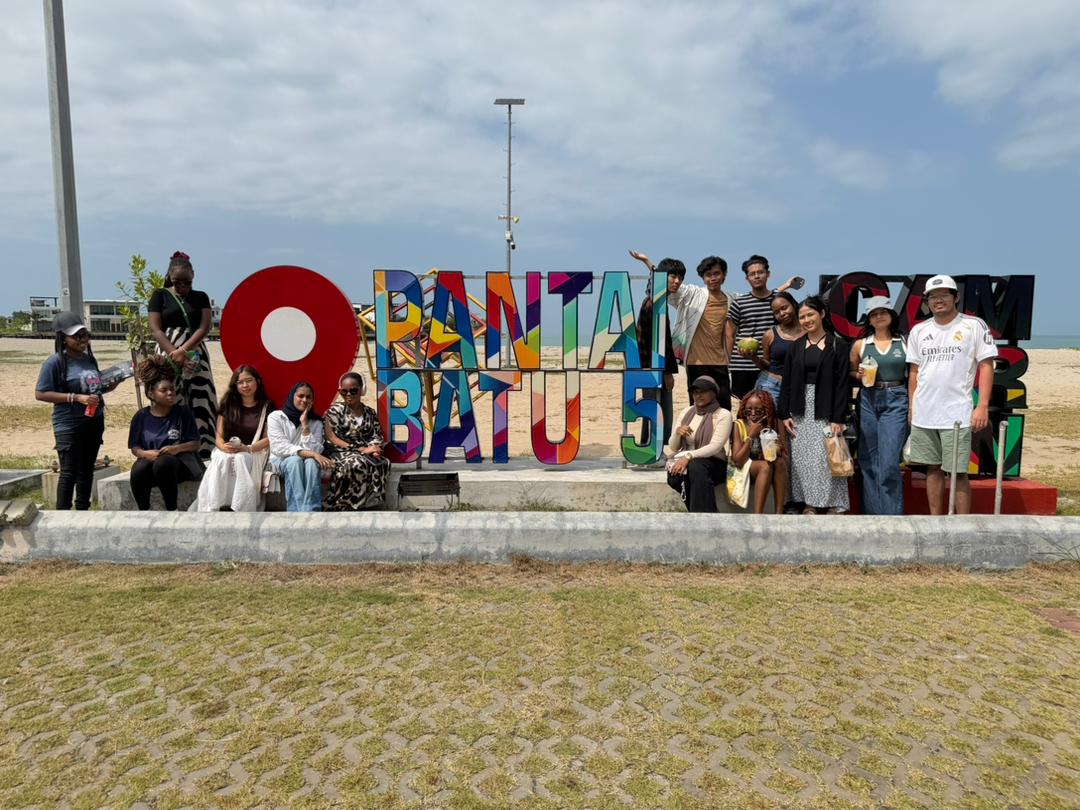
“Experiencing local culture and architecture enriched the trip, while working together strengthened their collaboration and communication skills,” Dr Shah Rizal explained.
“Despite the hot weather, the trip was enjoyable, informative and meaningful, contributing positively to both our academic learning and personal development.”
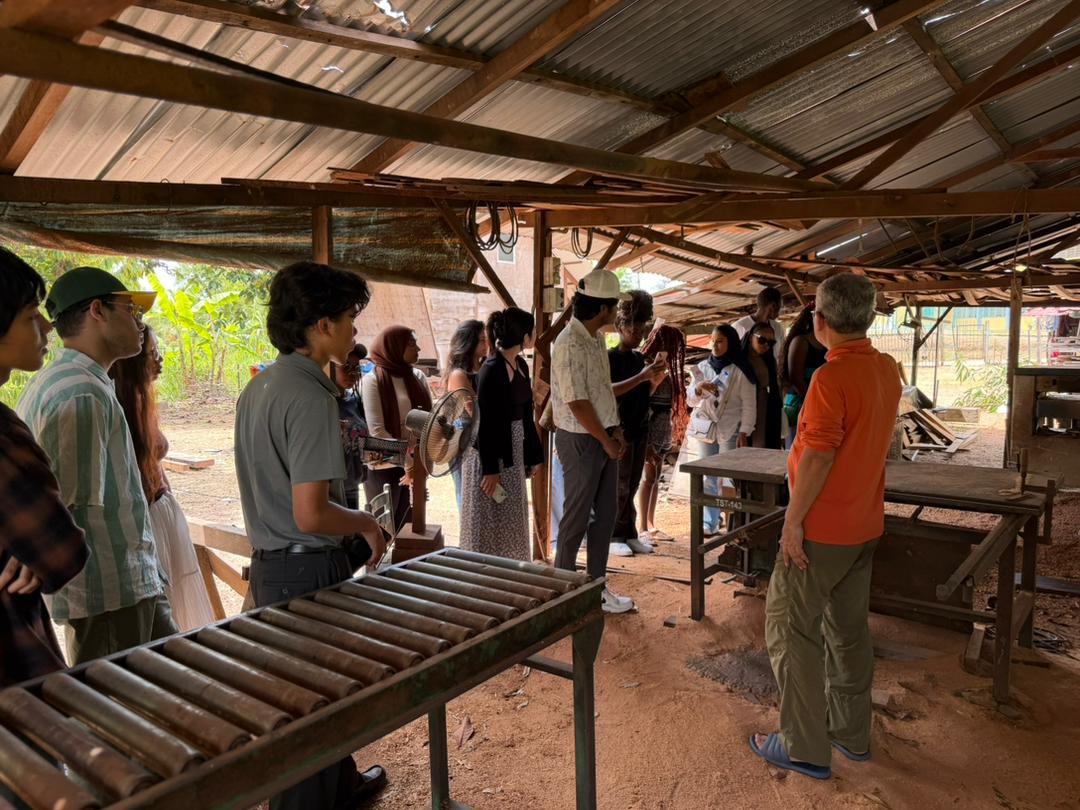
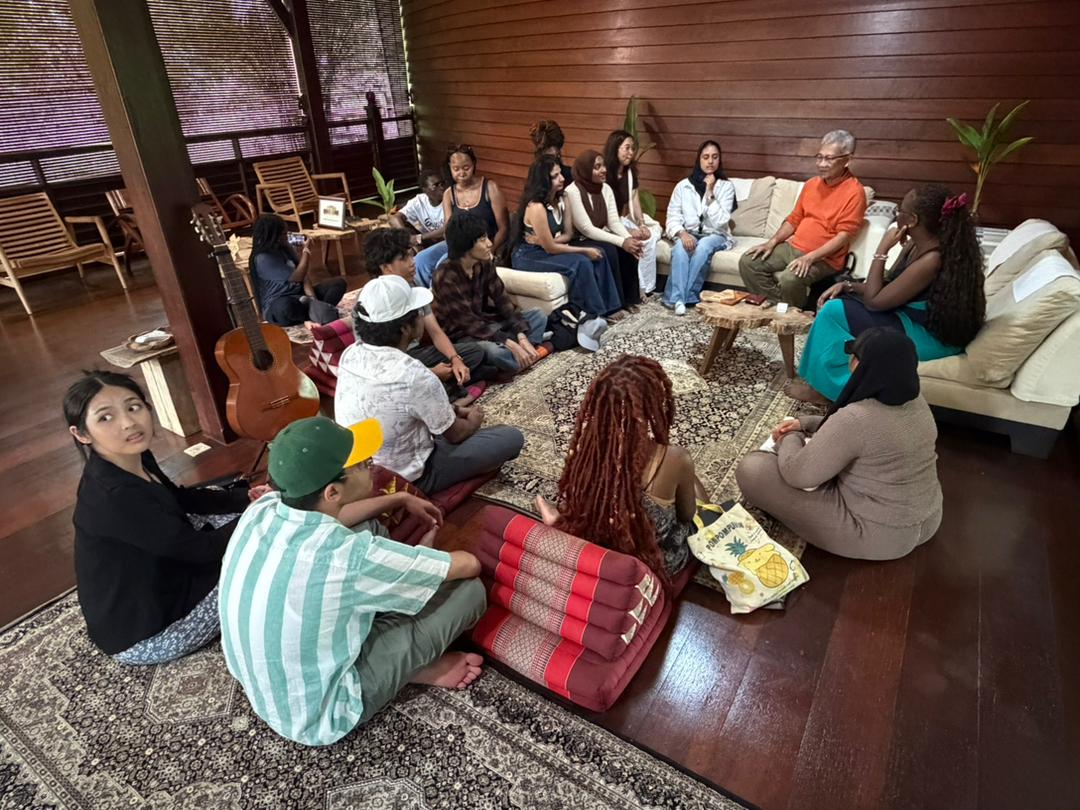
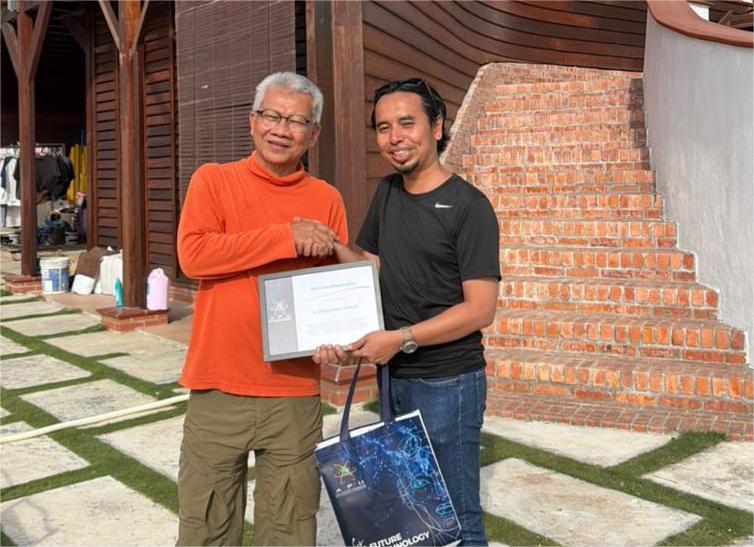
They visited the Anjung Kelana and Anjung Puteri projects by Ar Azman Zainal Md Nor, where he shared insights on carpentry techniques and offered practical tips, giving the students a rare glimpse into professional architectural practice.
Ar Azman is an experienced Malaysian Architect and principal of Arkitek Azman Zainal. He began his architectural career with the Malaysian Public Works Department in 1986 and has been involved in diverse projects including residential, institutional and conservation work.
He is known for his work with natural and sustainable materials such as recycled timber for emphasising local identity in contemporary tropical architecture and sustainable design.
Ar Azman also had won second prize at the inaugural Malaysian Wood Awards 2017, organised by the Malaysian Timber Council (MTC) for the Anjung Kelana house.
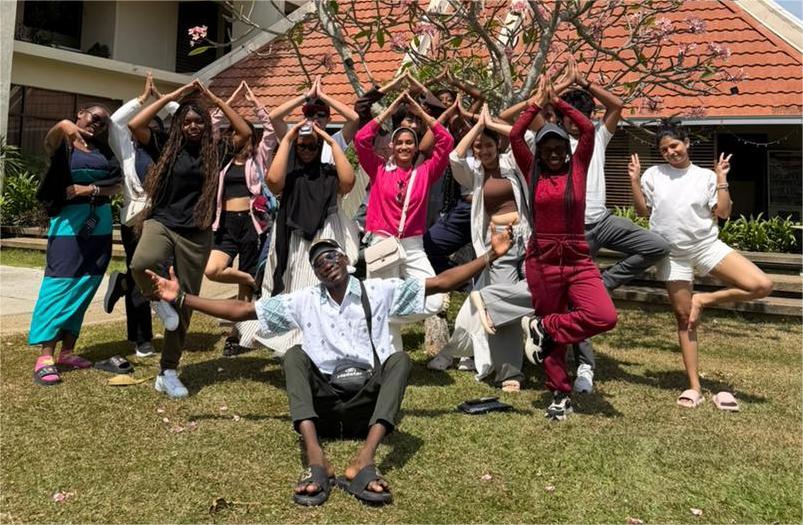
Reflecting on the experience, participant Min Hein Khant said the trip to Port Dickson was a wonderful memory.
“It was not just about studying the site, but also about spending time with lecturer and friends. We learned how buildings are designed on coastal land and the factors that influence such designs. It also allowed us to bond with our classmates, share experiences, and learn together, making the trip both meaningful and enjoyable.”
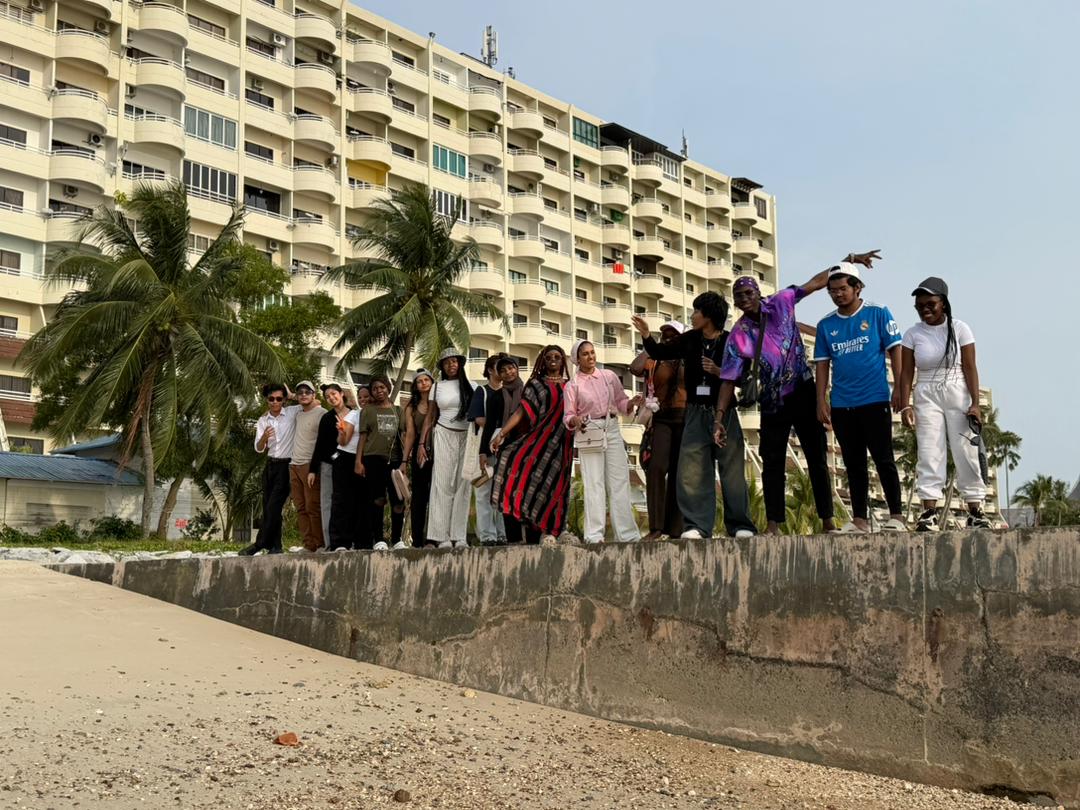
His classmate Nihinsa Seyavi highlighted the educational focus of the visit as the three-day trip involved exploring the physical, environmental, social and sensory characteristics of the coastal area, including its beaches, greenery, tropical climate and cooling sea breezes.
“Activities such as site observations along the beachfront, sensory analysis, group discussions and recreational exercises helped us understand how buildings and spaces respond to their natural surroundings.”
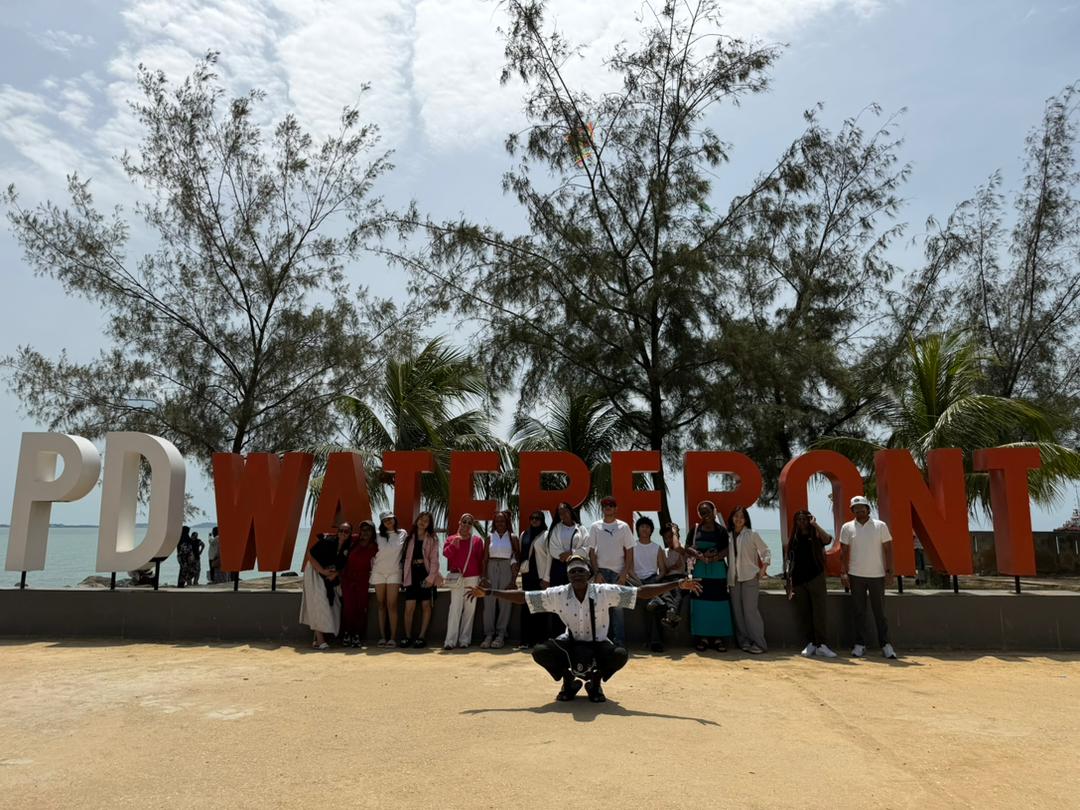
For Charlotte T. Mudavanhu, the trip was a resounding success, with the main agenda being to learn how structures are designed for coastal areas and the considerations that influence their construction.
“We also gained hands-on experience with timber as a building material, understanding how it can be curved and how different species of timbers are applied in design.
“Learning about the history and culture of Port Dickson was particularly helpful for contextual architectural design. The teamwork required throughout the site visits enhanced our collaboration skills, and exploring the town on the final day offered further inspiration. Overall, the trip was highly educational, inspiring and enjoyable.”
The Port Dickson trip not only enriched the students’ understanding of coastal architecture but also provided invaluable lessons in teamwork, material use and cultural context, leaving them with memories and insights that will influence their future designs.
News & Happening
Download e-Brochures
Intake Calendar
Want to know more ?
Let’s Connect